
Are Coins a Good Investment? Pros, Cons and What to Know
Posted on
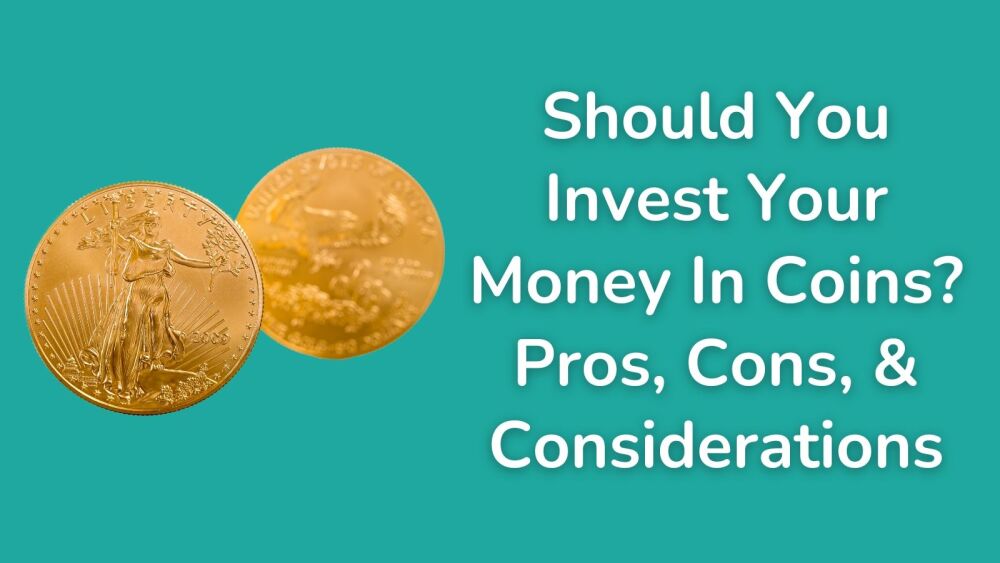
The spare change in your wallet may not be worth much, but due to their rarity, certain coins have turned into valuable collectables. Both historic and modern coins have made some people a small fortune.
This post looks at the pros and cons of investing in coins, and what you need to know before you start.
What Types of Coins Are Valuable?
Obviously, not all coins are valuable. Your average 1p coin is still worth 1p. So just which coins are valuable? Let's take a look.
Historic coins that are no longer in circulation can often gain value over time. Generally, the older the coin, the more valuable it is. However, scarcity plays an important part too, and some old coins are worth more than others simply due to their rarity. The condition also makes a difference, and some old coins can be valuable simply due to being well preserved.
Old hammered coins used up until the 15th century can cost upwards of £500 each, while milled silver shillings containing monarchs like Queen Victoria and Queen Anne can similarly be worth hundreds. Historic coins from other countries can also be worth a lot of money, such as historic US quarters and French francs.
Some coins were historically forged using gold, making them even more valuable. Many government mints around the world continue to produce commemorative gold coins every few years, which instantly become valuable collectables. When investing in these coins, it is often useful to have a knowledge of gold as well as a knowledge of coins.
1-ounce regular sovereign coins are the easiest to value, as they are generally worth close to the value of gold per ounce. Other gold coins may be worth less or more depending on their weight, age, condition and rarity.
Some modern rare coins have become valuable collectables too. Such coins include £1 and 50p coins that were produced in very limited numbers, the kind that may already be in your wallet without you realising. A double-dated single market 50p from 1992 could be worth as much as £60 due to only 109,000 being put into circulation. The Kew Gardens 50p released in 2009 has also become a valuable collectible, with some selling for £245 on eBay.
Where to Find Collectable Coins
There are many ways to acquire collectable coins. The first option is to get lucky. Check the change in your wallet and check any other places, such as old boxes in your attic, where old or rare coins may be lurking. Some people use a metal detector to hunt for old historic coins too.
Buying coins is an easier way to obtain valuable coins, though you need to be careful where you buy them from. Some sellers will overcharge you or try to sell you fake coins, which is why some coin collectors prefer to buy purely through gold dealers, trusted coin-collecting sites and coin shows.
While eBay is riskier, you can still find many trusted sellers there with good reviews, and you may also find naive sellers listing old coins for very low prices simply because they don't know the value. Second-hand stores and car boot sales may also be worth checking, though this requires a degree of luck and some knowledge of coins and their value.
Gold coins are best purchased directly through the Royal Mint or bullion dealers, and prices can vary, so it's worth comparing rates. When purchasing high-value collectable coins, it's worth getting them authenticated first if they don't already come with a certificate of authentication, to make sure you don't buy something fake and worthless.
Investing in Coins: Pros and Cons
There are genuine pros to coin investing. They only ever tend to increase in value over the long term, and many older coins have proved this, doubling or tripling in value over the space of a few decades. They're also small and easy to collect without requiring much space, and fairly low maintenance compared to some other collectables, usually stored in cases or plastic pockets within albums. There are plenty of resources online to learn from too, and coin collecting has a huge, long-established community, which makes educating yourself and trading coins fairly easy.
The cons are worth taking just as seriously though. Values can fluctuate based on market conditions, precious metals prices, rarity, demand and condition, so nothing is guaranteed. There's also a real risk of counterfeit or overpriced coins if you're not buying from a trusted source, and getting genuinely good value often requires real expertise that takes time to build.
Is Coin Collecting Worth It as an Investment?
If you want to make money from your coin collection, you need to be prepared to part with your coins when the time comes. Certain coins may be a better purchase if they're likely to gain value in a shorter time, such as buying gold coins during a gold price boom, and there are ways to increase the value of a collection too, such as collecting full sets.
Many people become attached to their collections and don't want to sell them. That's fine if you're happy being a collector, but if investment was your initial purpose, holding on could end up making it a bad investment after all. Alternatively, you could aim to pass a coin collection down as a form of inheritance for family to sell later.
Final Thoughts
There are genuine ways to make money investing in coins, but it takes real education to do it well, and it's important to understand the difference between collecting as a hobby and investing with intent. Coin collecting can be an enjoyable pastime and a potentially profitable investment, but it comes with real risks and uncertainty, since coin values move with market conditions, precious metals prices, rarity, demand and condition.
It's worth doing thorough research and seeking advice from qualified professionals before making any investment decisions, and being cautious when buying, given the real risk of counterfeit or overpriced coins.