
How To Keep Pests Out of Your Home Naturally and Save Money
Posted on
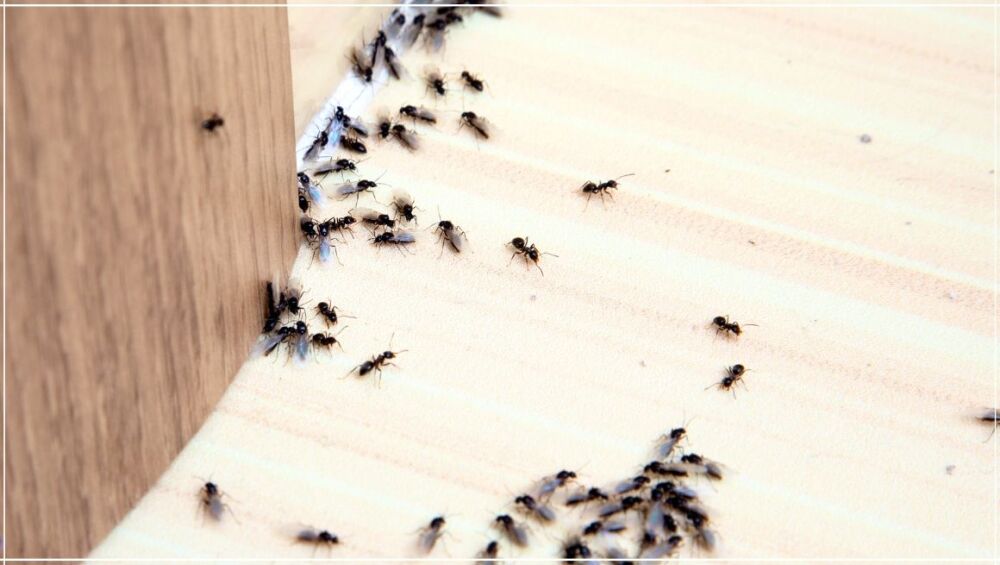
How to keep pests out of your home naturally and on a budget
Pests are one of those problems that seem small at first. A few ants in the kitchen. A strange noise behind the wall. Something nibbled in the cupboard.
It’s easy to ignore… until it isn’t.
Because once pests settle in, they rarely stay small. And that’s where the cost starts creeping in too. Damaged food, chewed wires, ruined furniture, and in some cases, expensive professional treatments.
The frustrating part is that most pest problems are preventable.
They usually come down to three things, food, water, and shelter. If your home offers those, pests will find a way in. If it doesn’t, they’ll move on somewhere else.
That’s why learning how to keep pests out of your home naturally, and early, is one of the simplest ways to protect both your space and your budget.
Pests are a nuisance in or around your home. They can cause extensive damage to property that can cost a hefty amount to repair. They can damage furniture, contaminate food stores, and create an uncomfortable living environment. They also aren't pleasant to have in your home.
Pest control should be part of your regular home maintenance routine. Acting early is always easier, and cheaper, than dealing with a large infestation later. If things do get out of hand, it may be time to call in professionals. A reputable company can assess your home and create a plan to help manage and prevent infestations.
Understanding what you’re dealing with is the first step. Once you can identify common pests, you’ll be in a much better position to deal with them using natural and humane methods where possible.
Pest control in your home for cockroaches, rodents and ants
Cockroaches
Cockroaches are one of the most common household pests, especially in warm, dark, and slightly damp areas. They tend to hide during the day and come out at night to search for food.
Once they begin to multiply, they can quickly become difficult, and costly, to manage. They are also known to carry bacteria that may contaminate surfaces and food.
Some simple ways to manage cockroaches include:
- Seal cracks and gaps – stop them getting in and hiding
- Clean regularly – especially greasy kitchen areas
- Fix leaks quickly – moisture attracts them
- Remove them safely – use a cup and paper or a humane bug catcher
- Reduce clutter – limit their hiding spaces
A bright, clean home can help keep away these pests. Cockroaches prefer dark, hidden spaces, so letting in light and reducing clutter makes a difference.
Rodents
Rats and mice are one of the most expensive pest problems if left unchecked. They chew through materials, including wires, which can become a serious fire hazard. They also contaminate food and surfaces.
You might notice droppings, scratching sounds, or damage to packaging. These are often the first warning signs.
Catching the issue early can save a lot of money in repairs and professional treatments.
You can reduce the risk with a few practical steps:
- Set up humane traps where activity has been spotted
- Block entry points around pipes, vents, and doors
- Store food properly in sealed containers
- Secure rubbish in bins with lids
- Remove outdoor clutter that could act as shelter
- Keep woodpiles away from your home
Mice are often deterred by strong smells such as peppermint, cayenne pepper, cloves, and other spices.
For most households, a combination of traps and bait stations is the most effective starting point - PestBuddy stock a range of rodent control products, including humane traps designed for DIY and amateur use, with no professional expertise required.
Ants
Ants may seem harmless, but they’re persistent. Once they find a food source, they leave scent trails, which is why they quickly multiply indoors.
They can enter through extremely small gaps, making them difficult to completely block out.
Natural deterrents can work well if used consistently:
- Cucumber peelings help repel ants
- Soapy water removes scent trails
- Spices like cinnamon, mint, and turmeric deter them
- Vinegar can clean and disrupt their paths
- Coffee grounds can also help keep them away
Cheap ways to prevent pests in your home
Prevention is where you save the most money. Once pests are inside, costs can rise quickly. But keeping them out in the first place is usually simple and low-cost.
Most homes already have what they need to prevent pests. It just comes down to consistency.
- Keep food sealed properly – airtight containers reduce smells
- Take rubbish out regularly – especially food waste
- Seal entry points – small gaps are enough for pests
- Fix leaks quickly – damp areas attract insects and rodents
- Clean surfaces often – crumbs and spills are a major draw
- Declutter your home – pests love hidden, undisturbed spaces
These habits cost very little but can prevent expensive problems later.
How to stop mice and pests coming into your house in the UK
In UK homes, especially older properties, small gaps and structural wear can make it easier for pests to get inside.
Mice only need a tiny opening, sometimes as small as a coin, to squeeze through. That’s why prevention is often about checking areas you might not normally think about.
Focus on:
- Gaps around pipes under sinks
- Spaces under doors or floorboards
- Cracks in walls or external brickwork
- Loft and attic entry points
- Air vents and utility openings
Blocking these early can make a huge difference, especially in autumn and winter when pests look for warmth indoors.
If any of the home solutions don’t work, you can always turn to a commercial pest control company to handle your rodent situation.

Seasonal pest control tips for UK homes
Pest activity changes throughout the year, and adjusting your approach slightly can help prevent issues before they start.
In spring, insects begin to reappear. A deep clean and sealing entry points can stop problems early.
In summer, food and heat attract more pests like ants and flies. Keeping kitchens clean and food covered becomes more important.
In autumn, rodents start searching for warmth. This is one of the most important times to block entry points and tidy outdoor areas.
In winter, pests that have already entered your home may stay hidden but active. Keeping things clean and clutter-free helps prevent them settling long term.
Humane and natural pest control methods that actually work
If you prefer to avoid harsh chemicals, natural pest control can still be very effective.
The key is deterrence. Instead of dealing with pests after they settle in, you make your home less appealing in the first place.
Strong natural scents like peppermint, citrus, vinegar, and spices can help repel pests without harming them. Combined with good cleaning habits and blocked entry points, this approach works well for most homes.
It also helps you avoid the cost of stronger treatments later.
Signs you may have a pest problem at home
Sometimes pests aren’t immediately visible, but there are early warning signs you shouldn’t ignore.
You might notice droppings, scratching noises in walls or ceilings, unusual smells, or damage to food packaging and furniture.
These small signs often appear before a larger infestation develops. Acting quickly at this stage can save both time and money.
FAQs about keeping pests out of your home
How do pests get into your home?
Through small gaps around doors, windows, vents, and pipes. Even tiny openings can be enough for insects and mice.
What smells do pests dislike?
Peppermint, vinegar, citrus, cinnamon, and cloves are commonly used natural deterrents.
Is natural pest control effective in UK homes?
Yes, especially for prevention and small issues when combined with regular cleaning and maintenance.
Final thoughts
Keeping pests out of your home is less about reacting and more about staying consistent.
A clean, well-maintained home with fewer entry points gives pests very little reason to stay. And that’s what really saves money in the long run.
Because once pests settle in, the costs, stress, and disruption all increase. But when you stay one step ahead, most problems never get that far.
Keeping pests out of your home naturally comes down to simple habits like sealing gaps, removing food sources, and staying consistent with cleaning. When you act early and use low-cost methods, you avoid bigger infestations and expensive treatments later, making prevention the easiest and most affordable solution.