
Do Bed Bugs Damage Furniture? And What Do They Cost You?
Posted on
Finding bed bugs in your home is one of those situations that triggers immediate panic. Not just because of the bites, but because of what it might mean for your home, your belongings, and your bank balance.
People often jump straight to the worst conclusion. Does this mean the sofa is ruined? Is the bed frame unsafe? Will everything need replacing?
Before you start throwing furniture away or spending money you don’t need to, it helps to understand what bed bugs actually do, what they don’t do, and where the real costs come from.
This guide focuses on the financial and practical reality of bed bugs in soft furnishings. Not alarmism. Not graphic detail. Just clear information to help you protect your home and your money.
Do Bed Bugs Actually Damage Furniture?
This is one of the most common questions, and the answer often surprises people.
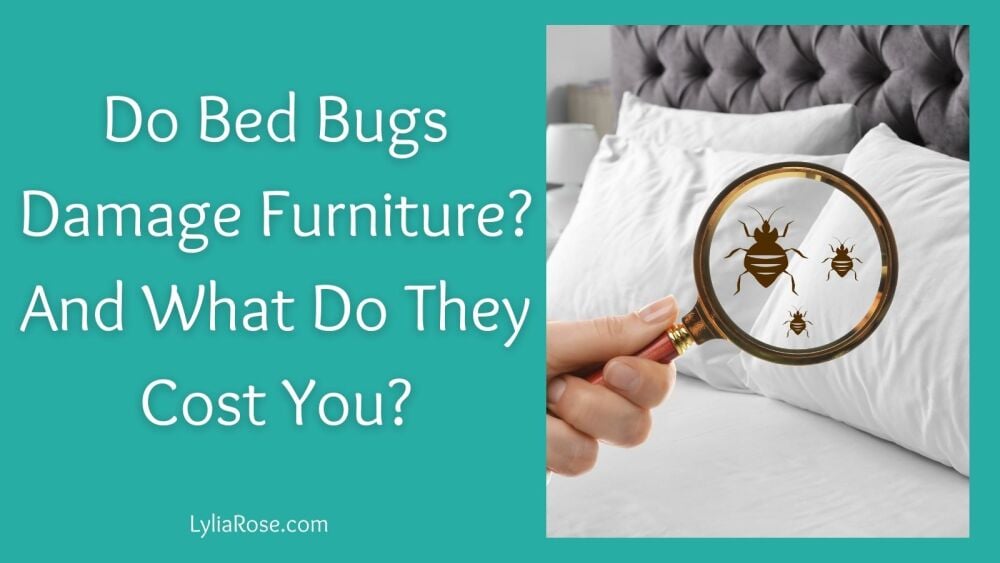
Bed bugs do not damage furniture in the way woodworm does. They do not eat wood, tunnel into structures, or weaken furniture frames. They don’t chew, bore, or destroy materials.
Instead, they use furniture as hiding places.
They shelter in seams, folds, joints, cracks, and crevices, especially in soft furnishings like mattresses, sofas, upholstered chairs, and headboards. Wooden furniture is used as a hiding spot rather than a food source.
So while bed bugs don’t structurally damage furniture, they can make it unusable.
That difference matters, especially when you’re deciding whether to treat, replace, or contain items.
How Bed Bugs Affect Soft Furnishings in Real Terms
The impact of bed bugs is less about physical destruction and more about contamination and loss of use.
A sofa might be perfectly intact, but if bed bugs are living deep in the seams, most people will not feel comfortable sitting on it. A mattress may still be supportive, but once infested, it can feel impossible to relax or sleep.
This is where the financial damage happens.
Furniture that could technically be treated is often discarded because:
-
People panic and want the problem gone immediately
-
There is uncertainty about whether treatment will work
-
The stress outweighs the perceived value of the item
That’s how infestations become expensive.
The Hidden Costs People Underestimate
Bed bugs rarely cost money in just one obvious way. The real expense comes from a series of reactions.
Common costs include:
-
Replacing mattresses or sofas unnecessarily
-
Buying repeated treatments that don’t fully resolve the issue
-
Lost sleep leading to time off work or poor productivity
-
Disposing of items that could have been salvaged
-
Purchasing replacement furniture quickly at higher prices
It’s very easy to turn a manageable problem into a costly one through rushed decisions.
Understanding where bed bugs hide and what actually needs dealing with helps prevent that.
When Furniture Really Does Need Replacing
There are situations where replacing furniture makes sense, but they are more limited than people assume.
Furniture may need replacing if:
-
Infestation is deep and widespread within foam or padding
-
The item cannot be safely treated due to materials
-
The cost of treatment exceeds the value of the furniture
-
The stress of reuse outweighs any financial saving
This is most common with older mattresses or low-value upholstered items.
In contrast, solid furniture, removable covers, and higher-quality items are often worth treating properly rather than discarding.
The Mistake of Throwing Everything Away Too Early
One of the most expensive mistakes people make is assuming everything has to go.
In reality, bed bugs do not infest every item equally. They prioritise places close to where people sleep or rest. That means not every room or furnishing is automatically affected.
Throwing items away without containment can also make things worse. Moving infested furniture through the home or into communal areas risks spreading the problem.
Financially, this leads to:
-
More items becoming affected
-
More replacements needed
-
More stress and disruption
A slower, more deliberate approach usually saves money in the long run.
Prevention Is Cheaper Than Treatment
Preventing bed bugs is far less costly than dealing with an established infestation.
Simple habits make a big difference:
-
Treat luggage and clothing carefully after travel
-
Avoid placing bags on beds or soft furniture when returning home
-
Be cautious with second-hand soft furnishings
-
Store infrequently used textiles in sealed containers
These steps don’t eliminate risk entirely, but they reduce the chances of a small issue turning into a widespread one.
From a money perspective, prevention is one of the best returns you’ll ever get.
Heat and Cold as Containment Tools, Not Cures
Heat and cold are often discussed in relation to bed bugs. At a high level, extreme temperatures can be effective, but they require consistency and coverage.
The financial risk comes when people assume one attempt is enough.
Partial treatment can leave survivors behind, which leads to repeat cycles and higher long-term costs. This is where DIY efforts often fall short.
Many people consider doing pest control yourself as a way to save money, but repeated partial attempts can end up costing more than a single, effective solution.
When Professional Help Is Actually Cheaper
Hiring professionals sounds expensive at first, but it can be the cheaper option overall.
Professionals bring:
-
Experience in identifying hiding places
-
Equipment that reaches deep into furnishings
-
Clear treatment plans rather than guesswork
This reduces the risk of reinfestation, which is where costs really spiral.
The key is timing. Early intervention almost always costs less than delayed action combined with repeated DIY spending.
Emotional Stress Has a Financial Cost Too
This part is rarely discussed, but it matters.
Bed bugs cause sleep disruption, anxiety, and constant vigilance. Over time, that affects decision-making, work performance, and mental wellbeing.
When people are exhausted, they spend more impulsively and make faster decisions just to regain peace of mind.
Recognising this helps you slow down and make calmer, more cost-effective choices.
Ethical Reality and Personal Safety
It’s important to be honest.
There is no realistic way to coexist safely with bed bugs. Once present, removal is about protecting human health and wellbeing. Avoiding harm isn’t always possible in this situation, and framing it as a moral failure helps no one.
You don’t need to dwell on methods to acknowledge reality. Focus on outcomes, safety, and prevention.
Protecting Your Furniture and Your Finances Long Term
Once an issue is resolved, future protection matters.
Practical steps include:
-
Mattress and pillow covers and regular cleaning of mattresses and bedding
-
Regular inspection of high-risk areas
-
Avoiding rushed furniture purchases
-
Keeping clutter minimal around sleeping areas
These steps help protect both your belongings and your budget going forward.
Final Word
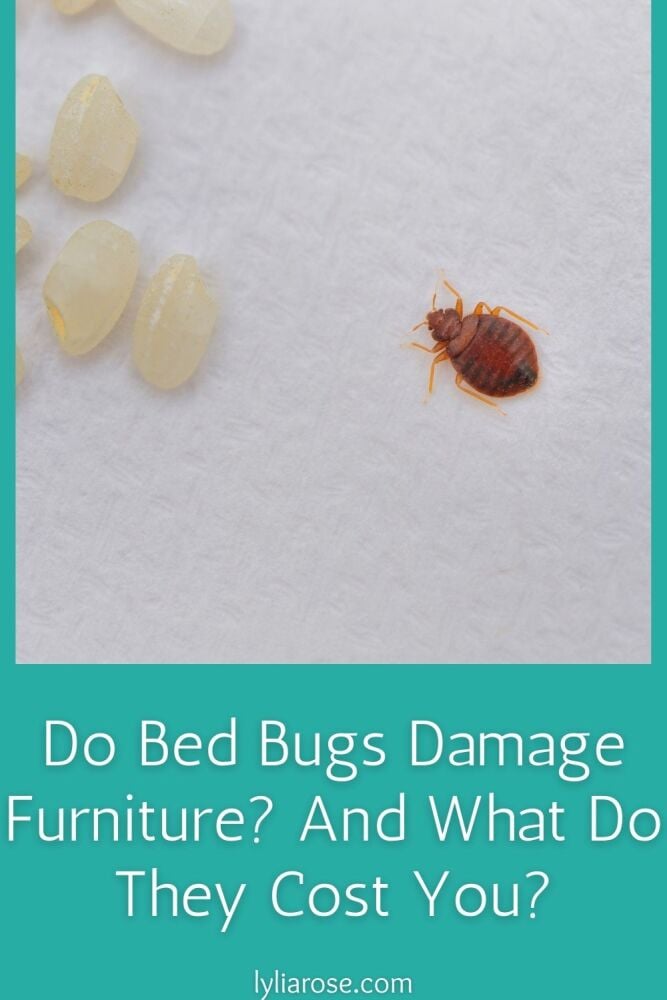
Bed bugs don’t destroy furniture in the way woodworm does, but they can quietly drain your finances through stress, rushed decisions, and unnecessary replacements.
The biggest costs rarely come from the bugs themselves. They come from panic, misinformation, and acting too quickly.
Understanding what bed bugs do, where they hide, and when action is genuinely needed allows you to protect your home without wasting money.
Clear thinking is your most valuable tool here.