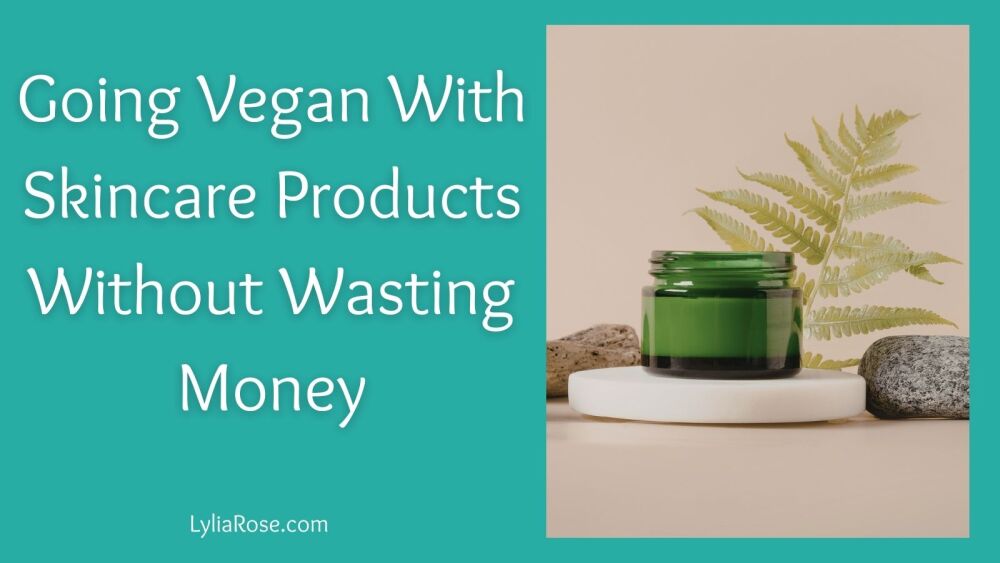
Going Vegan With Skincare Products Without Wasting Money
Posted on
Going vegan often starts with food, but for many people, it quickly becomes something bigger - a lifestyle shift. Leading a vegan lifestyle usually means avoiding animal products wherever possible, not just in what you eat, but in everything from clothing and soft furnishings to beauty and skincare products.
That realisation can feel empowering, but it can also feel overwhelming. Suddenly, everyday items you never questioned before come with labels to check, ingredients to research and choices to rethink. Skincare is often one of the first areas where this becomes obvious, with animal-derived ingredients still widely used and prices ranging from affordable to surprisingly expensive.
The good news is that going vegan with skincare doesn’t mean replacing everything overnight or spending more money than you need to. With a more thoughtful, gradual approach, it’s possible to support your skin, stay aligned with your values, and avoid wasting money on products that don’t really serve you.
Prioritise protection using natural, skin-friendly SPF
One of the most effective ways to support healthy skin long term is also one of the simplest. Protection. Daily sun protection helps reduce premature ageing, pigmentation and long-term skin damage, which can save money on corrective products later.
If you prefer a more natural approach to protect your skin, mineral sunscreens using ingredients like zinc oxide often align well with both vegan and natural skincare values. These products sit on the surface of the skin rather than being absorbed and are widely available in vegan, cruelty-free formulations.
Using SPF doesn’t have to mean a complicated routine or expensive products. Applying a suitable natural sunscreen daily and limiting sun exposure during the strongest parts of the day can make a meaningful difference without adding unnecessary steps or costs.
Rethink skin supplements before spending money on trends
The supplement industry is one of the easiest places to overspend, especially when you’re new to vegan living and still learning what to avoid. Skincare supplements are often marketed as essential, but many are unnecessary or poorly suited to vegan lifestyles.
Collagen supplements do usually contain animal products, commonly sourced from bovine, porcine or marine collagen, but if you are vegan there are now many alternatives available that focus on supporting the body’s natural collagen production instead. These plant-based formulas typically include nutrients such as vitamin C, vitamin E, biotin, zinc and hyaluronic acid, which help maintain skin elasticity, firmness and hydration without relying on animal-derived ingredients.
Vitamin C supports natural collagen synthesis and radiance, biotin contributes to healthy skin cell growth and regeneration, vitamin E helps protect the skin barrier, and hyaluronic acid is well known for hydration. Choosing a small number of well-researched vegan supplements is often more effective and more affordable than buying multiple products influenced by marketing alone.
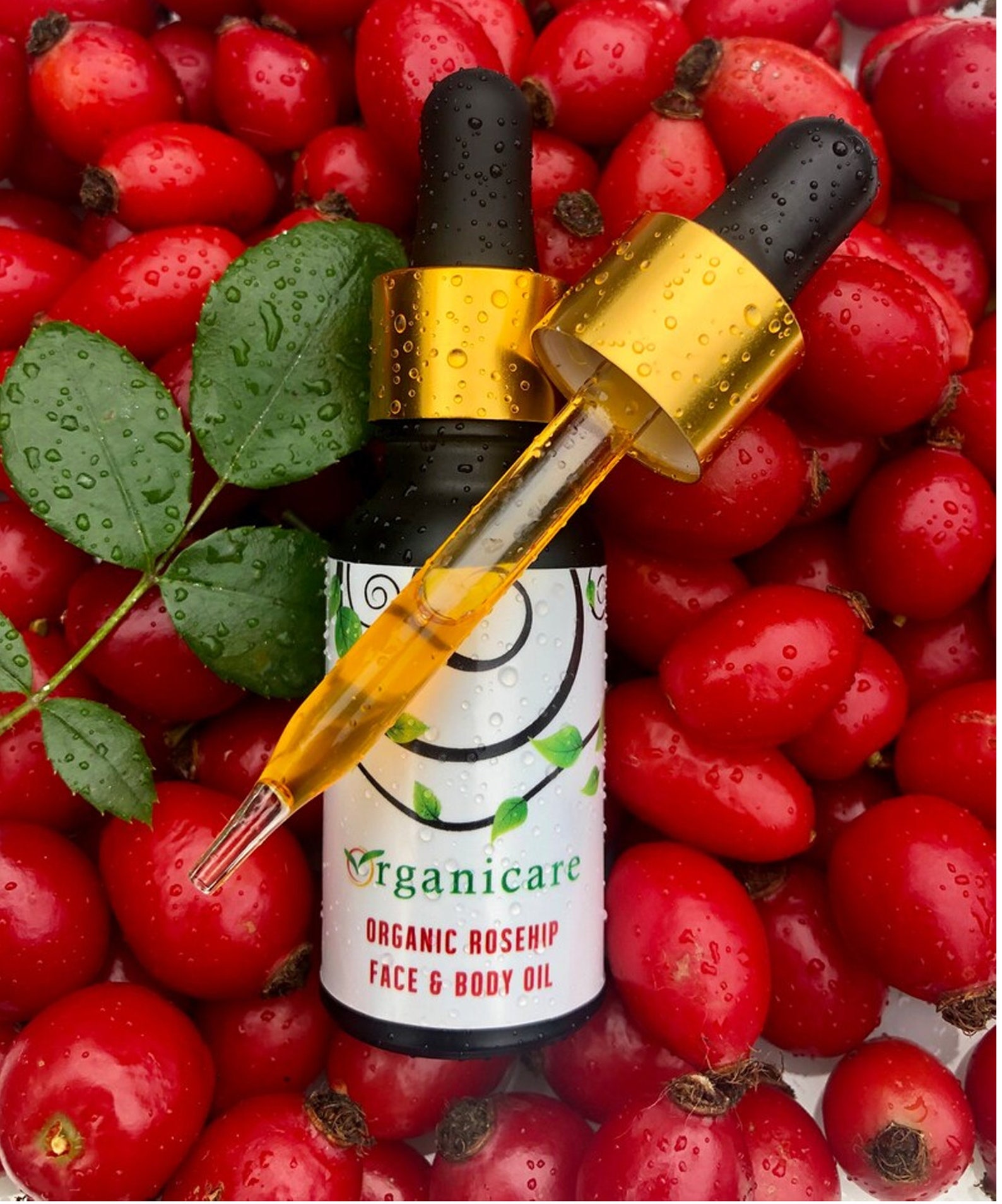
Organic Wild Rosehip Face Serum
Common animal-derived skincare ingredients to avoid
When switching to vegan skincare, one of the biggest challenges is ingredient labels. Many animal-derived ingredients don’t look obvious at first glance, which can lead to accidental purchases and wasted money.
Here are some of the most common ones to watch out for.
-
Collagen
Usually sourced from bovine, porcine or marine animals and commonly found in anti-ageing products. -
Gelatin
Made from animal collagen and sometimes used in masks and capsule-based skincare supplements. -
Elastin
Often derived from animal tissues and marketed for skin firmness and elasticity. -
Lanolin
Extracted from sheep’s wool and frequently used in moisturisers, lip balms and hand creams. -
Beeswax (Cera Alba)
Used as a thickener in balms, creams and lip products. Not vegan, even though it’s often seen as “natural”. -
Honey
Found in masks, cleansers and treatments aimed at hydration or antibacterial benefits. -
Propolis
A resin-like substance made by bees, commonly used in skincare marketed for healing or calming properties. -
Carmine (CI 75470)
A red pigment made from crushed insects, more common in makeup but occasionally found in tinted skincare. -
Shellac
Derived from insect secretions and sometimes used in nail products and cosmetic coatings. -
Squalene
Traditionally sourced from shark liver oil. Vegan alternatives use plant-based squalane instead. -
Milk derivatives (such as lactose, casein or whey)
Sometimes included in creams and masks for moisturising claims.
Checking labels for these ingredients can save money in the long run by avoiding products that don’t align with vegan ethics. Many brands now clearly label products as vegan, which makes shopping easier and reduces the risk of costly mistakes.
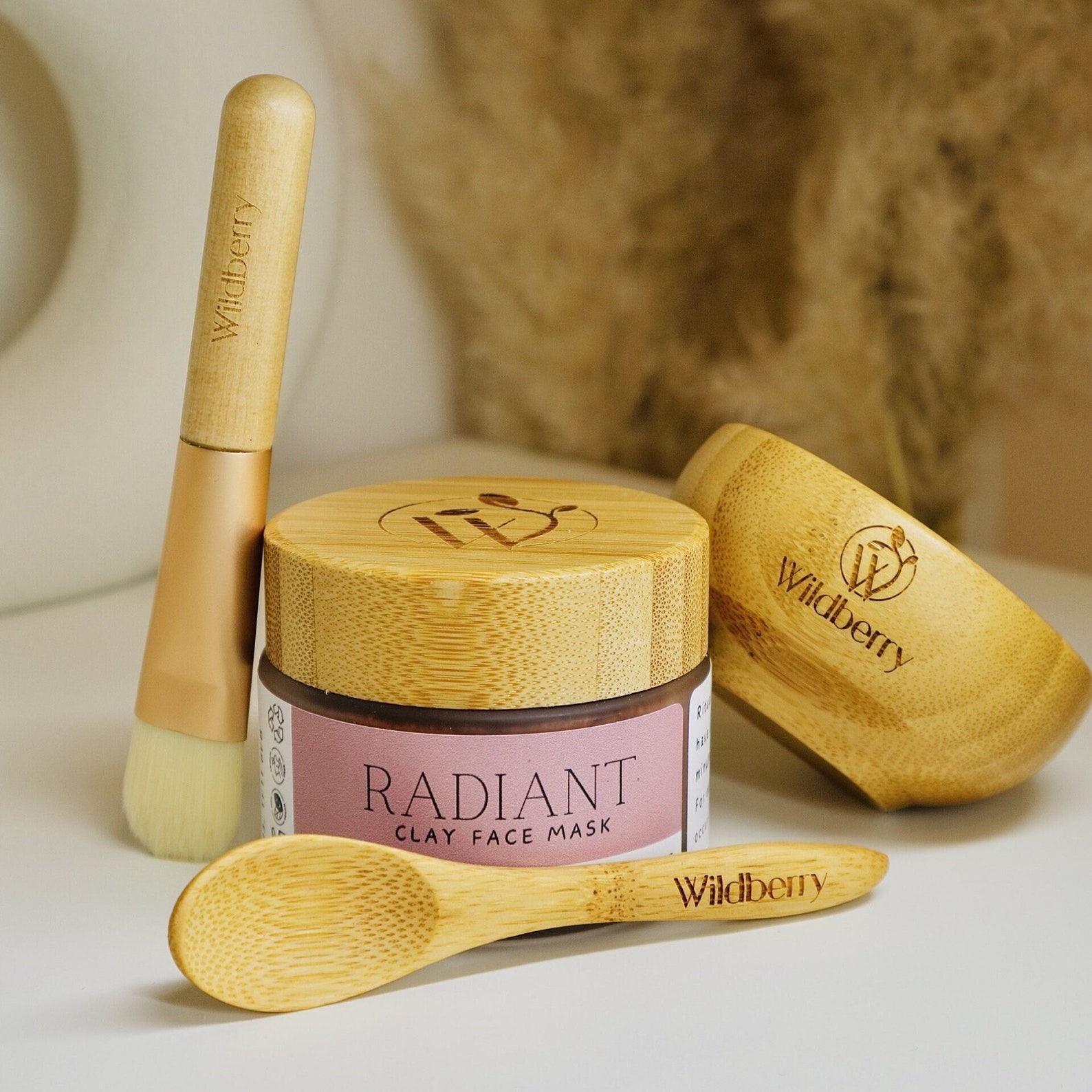
Botanical Clay Face Mask Gift Set, Bamboo Bowl & Brush
Keep your skincare routine simple and intentional
A common mistake when switching to vegan skincare is assuming you need more products. In reality, a simpler routine is often better for your skin and your budget.
Most people benefit from a basic routine built around cleansing, moisturising, targeted treatments if needed, and daily sun protection. Cleansing twice a day helps remove dirt, makeup and pollution without overwhelming the skin when the right product is chosen.
When buying skincare products, look for vegan, cruelty-free options that suit your skin type and address specific concerns such as dryness, dullness or sensitivity. Natural and organic products often align well with vegan ethics and can be gentler on the skin, especially if you’re simplifying your routine at the same time.
Researching ingredients, reading verified reviews and avoiding impulse buys can help prevent wasted money on products that don’t deliver.
Switch to vegan skincare gradually to avoid waste
Going vegan doesn’t require throwing everything away. Replacing products all at once can be expensive and wasteful, especially if you already own items that work well for your skin.
Using up what you already have and switching to vegan alternatives as products run out is usually the most practical and cost-effective approach. This gives you time to research options properly rather than buying replacements in a rush.
Many effective vegan skincare products sit in the mid-price range and perform just as well as luxury brands. Paying attention to formulation, ingredient quality and suitability for your skin is usually more important than paying extra for branding.
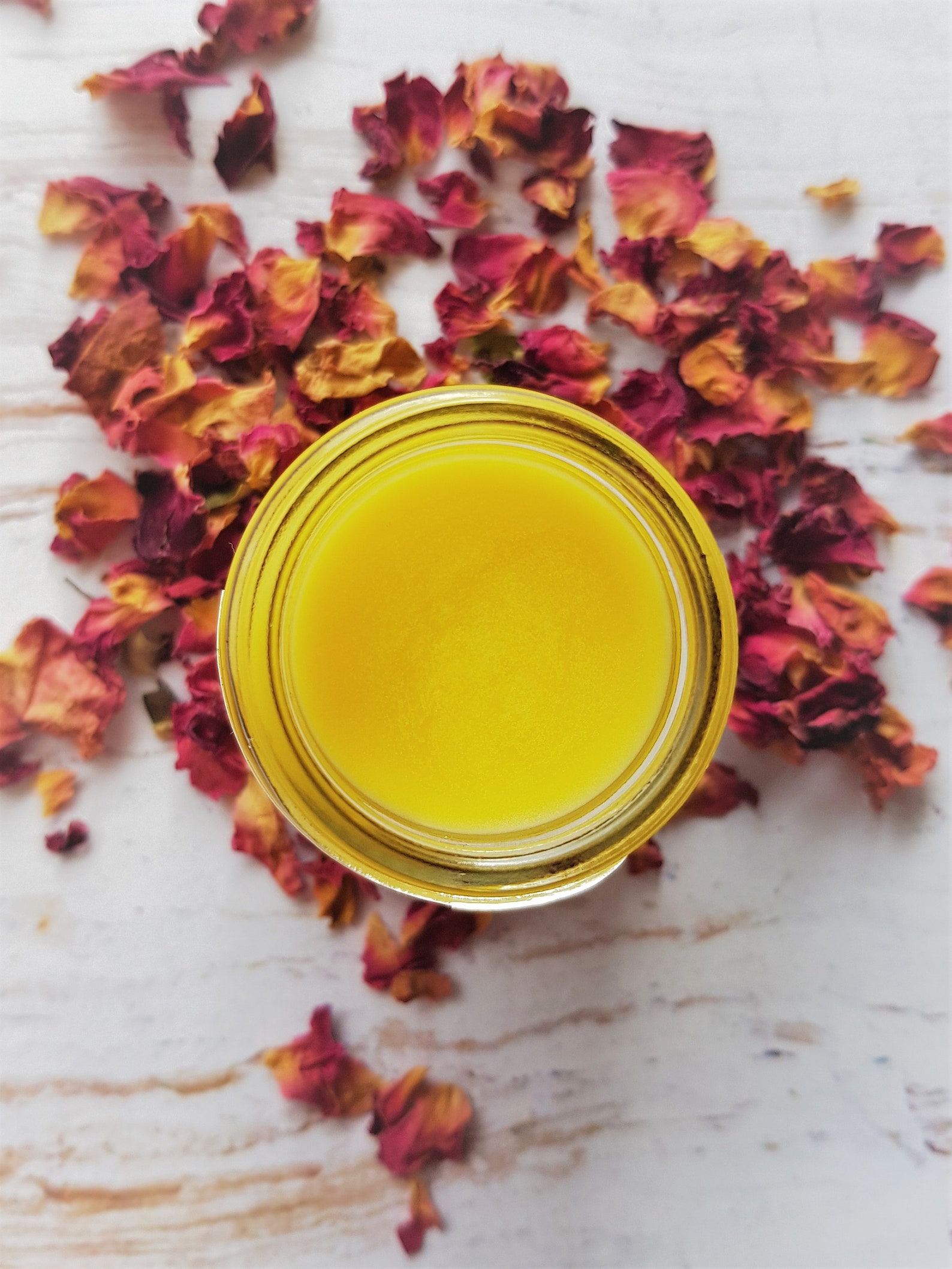
La Lune Night Balm, Sea Buckthorn, Vegan, Eco Beauty
Hydration supports skin health without costing much
Hydration is one of the most underrated aspects of skincare and one of the cheapest. Drinking enough water supports skin from the inside and helps maintain softness, elasticity and overall comfort.
Aim for around two litres per day, adjusting based on activity levels and weather. Topical hydration can also help, but this doesn’t require a long list of products. A single vegan moisturiser or serum containing hydrating ingredients such as hyaluronic acid is often enough.
Focusing on hydration can reduce the temptation to keep buying new products in search of quick fixes.
Supporting your skin while staying true to your values
Supporting your skin as a vegan is about consistency, awareness and restraint, not constant spending. With so many products and opinions online, it’s easy to feel pressured to buy more, but simple habits usually have the biggest impact.
Choosing vegan and cruelty-free skincare, favouring natural and organic formulations where possible, using sun protection thoughtfully, simplifying your routine and avoiding unnecessary purchases can all support healthy skin while protecting your budget. A calm, considered approach is often better for your skin and your finances.
Supporting your skin doesn’t have to be complicated, expensive or wasteful. Small, intentional choices add up over time.