
Best Tips for Smooth Office Relocations
Posted on
There’s something uniquely stressful about moving an office. It isn’t just shifting desks and screens from one postcode to another. There are people waiting on systems, customers expecting replies, and work that still needs to happen while everything is in motion.
When you’re juggling all of that, even a small delay can feel bigger than it is. That’s often why many businesses choose commercial movers early in the process. Having someone who understands logistics, access rules, packing systems, and timing can make the whole thing feel more manageable and predictable.
And here’s something many people only realise after going through it once: an office move affects more than storage and layout. It affects momentum, communication, routine, and confidence. The space might change, but the work still needs to happen, and that’s where the pressure sits.
But when you plan ahead, communicate clearly, and think about how to protect your budget and workflow, the relocation becomes far less stressful. It starts feeling less like disruption and more like a natural step towards the next stage of growth.
With the right approach, a move can feel organised, steady, and even exciting. It just takes some thought, some planning, and a rhythm that puts people and business continuity at the centre rather than treating the move like a rushed checklist.
If you're preparing for a relocation and want it to feel smoother and less overwhelming, read on for practical steps and helpful ideas that can make the process easier from start to finish.
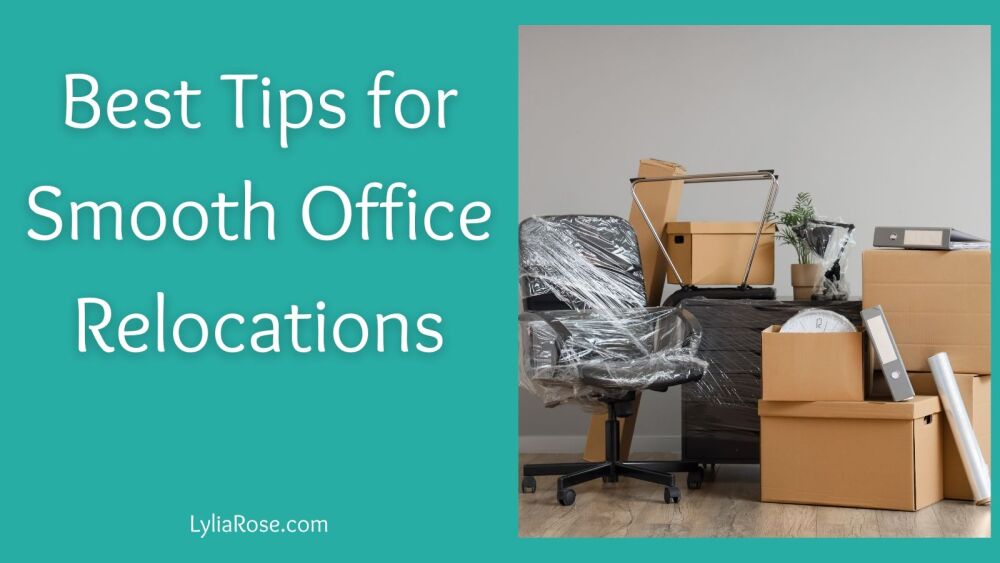
Plan a Move Window That Works With Your Business Rhythm
Every business has quiet moments and busy ones. So the first step isn’t packing, labelling, or calling suppliers. It’s choosing when the move makes the least impact.
Sometimes that means avoiding payroll week or end-of-month reporting. Other times it’s about steering clear of seasonal demand, key projects, or renewal cycles.
Once a timeline is set, everything else becomes clearer. It’s easier to plan people, communication, technology, and access. And when dates are fixed early, the move becomes something predictable rather than something that creeps up unexpectedly.
Budget planning ties into this as well. A move isn’t just trucks and tape. There might be lift bookings, late access fees, tech support, cleaning, storage, recycling or disposal costs, new furniture, or even temporary workstations.
Tracking these costs as you go helps avoid surprises and makes the entire process feel more grounded and manageable.
And if there’s something you no longer need? Donating, selling, or responsibly recycling it reduces transport costs and makes the new space feel cleaner and more intentional.
Create an Inventory and Labelling System That Makes Unpacking Easy
An overlooked part of office relocations is how much time gets wasted searching for things at the other end. A proper inventory helps prevent that.
It doesn’t need to be complicated. A shared spreadsheet and some photos can do the job.
What matters most is clarity. Labelling should be obvious and readable. Boxes should be identifiable without opening them. And the system should make sense to everyone, not just the team who packed them.
A simple rule that helps: label where something is going, not where it came from.
The goal isn’t only to pack. The goal is to land in the new office ready to work.
Protect Data and Critical Technology Before Anything Gets Moved
Technology is the heartbeat of most modern businesses. If phones, Wi-Fi, drives, or payment systems go offline, everything goes quiet.
Safeguarding devices, files, and access credentials is one of the most important parts of an office relocation.
Backups, documented cables, testing sequences, and secure handling processes keep everything running smoothly. And when you document how systems shut down and restart, it removes panic and guesswork.
This is also where planning for business continuity becomes valuable. It means thinking ahead. What must stay running? What can wait? Who needs access first?
Treating technology with care prevents expensive mistakes and reduces disruption when everything powers back on.
Coordinate Access, Permissions, and People
Buildings have routines, rules, and limitations. Service lifts, loading bays, and timed access slots can become bottlenecks if they’re not planned ahead.
Confirming requirements early makes move day calmer and prevents delays that ripple across the schedule.
It also helps to assign clear roles. Even a small team can benefit from having a move lead or point person. When everyone has a place in the plan, the experience feels more coordinated, and communication stays smoother.
Printed contact sheets, simple shared chats, and scheduled update times help stop confusion before it starts.
Keep Work Going While the Office Transitions
Even during a move, customers still expect responses. Payments still need processing. Deadlines don’t always pause simply because boxes are stacked in hallways.
A skeleton team, temporary remote access, redirected phones, or staggered departmental moves can help keep revenue flowing and service levels stable.
Testing everything before the wider team arrives avoids stressful delays and gives confidence that systems are ready to use.
Sometimes it’s the small things, like printer queues or access passwords, that make the biggest difference on day one.

Test the New Space So the First Day Feels Smooth
Imagine walking into a new office only to find missing cables, blocked walkways, or screens that won’t connect. Testing ahead of time helps avoid this.
A walkthrough with a checklist allows you to catch anything that needs fixing or finishing before the move is complete.
Thinking about flow, storage, equipment access, and comfort early makes settling in easier and helps teams get back to work without frustration.
A move isn’t just a transition. It’s a fresh start, and testing ensures it feels like one.
Bring in Professionals Where It Saves Time or Prevents Stress
Some tasks are simply easier when handled by people who do this every day. Commercial movers can help with dismantling furniture, relocating sensitive equipment, protecting floors and walls, and managing complex logistics.
Sometimes the cost isn’t an extra expense. Sometimes it’s an investment that prevents delays, reduces risk, and gives teams the space to stay focused on their work rather than packing tape, heavy lifting, or last-minute planning.
Keep People Updated and Supported
Moves are emotional. People worry about where they’ll sit, how things will work, whether their setup will be comfortable, and whether the transition will affect their workload.
Clear and consistent communication helps ease that uncertainty.
Sharing layouts, access details, schedules, and support contacts keeps everyone aligned and removes unnecessary anxiety.
It’s a simple way to keep the move feeling steady rather than scattered.

Reflect Once Everything Is Settled
After the dust has settled and the last box has been unpacked, take time to look back. What helped? What slowed things down? What would you change next time?
That reflection turns experience into knowledge. And if the business grows, restructures, or expands again, those notes become your roadmap.
A relocation is a big moment for any company. And when you see it as an opportunity to reset, reorganise, and improve the way the team works, it becomes more than logistics. It becomes progress.
A successful office move isn’t about speed. It’s about care, communication, and making decisions that protect your budget while supporting people and productivity. When planning comes first and the right help is in place, the transition feels less like disruption and more like a natural step forward, with business continuity supported every step of the way.