
Why Are Apartments in the Same Building Different Prices?
Posted on
Wondering why apartments in the same building vary in price? Learn how design, amenities, and mixed-income housing create differences in cost and living experience.
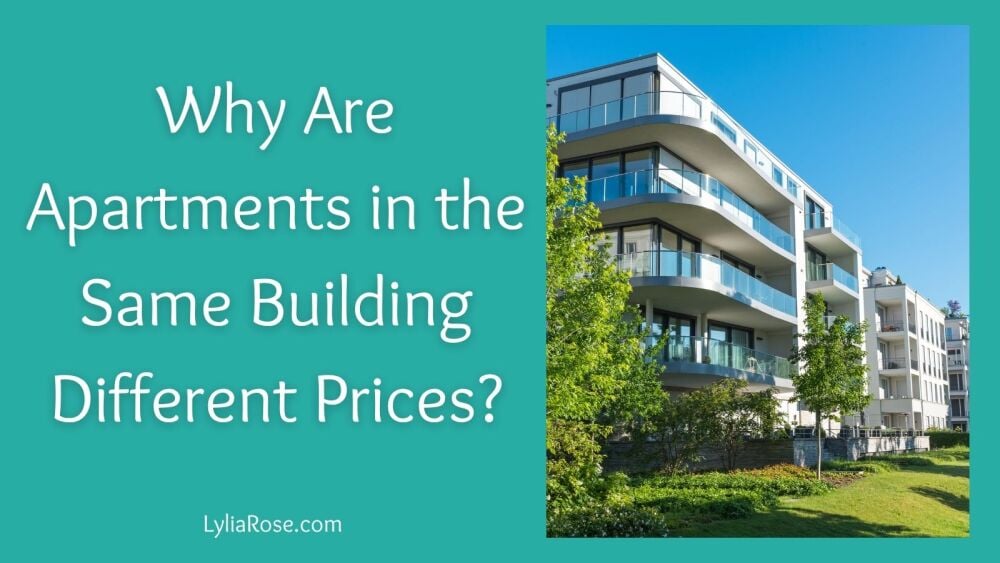
If you’ve ever viewed a modern apartment block and noticed wildly different prices for similar-looking units, you’re not imagining it.
It’s actually a common setup in newer developments, especially in cities and growing urban areas.
Many people search things like why apartments in the same building have different prices, why some flats look luxury but cost less, or what mixed-income housing really means. This article breaks it down in a simple, practical way so you can understand what’s going on before you choose a place.
Apartment living has been facing a bit of a shift in the past few decades. Some buildings look high-end from the outside, but inside, there’s a mix of lifestyles that don’t always match that first impression.
And that contrast can feel confusing at first. One person is stretching their budget, another is paying for premium features, and somehow they’re in the same building. It’s not random, though. There’s a bit of planning behind it, and it’s worth breaking down if you’re personally searching for an apartment.
Why modern buildings feel like they cater to everyone at once
A lot of newer developments are designed to bring different price points together in one place. It might seem surprising, but it’s often done on purpose rather than by chance. In many cases, part of the building is set aside as a cheaper way to live, often supported by local rules or incentives. At the same time, higher-end units help cover the overall costs, making the whole setup work financially.
From the outside, you probably wouldn’t notice much difference. Everyone walks through the same entrance, uses the same spaces, and shares the same general environment, which helps keep things feeling consistent.
What is mixed-income housing and why is it so common?
This type of setup is often called mixed-income housing.
It’s become more common in the UK and across Europe as a way to balance affordability with modern living standards. Instead of separating housing types into completely different areas, developers combine them into one building.
For buyers or renters, this can feel confusing at first. But it also means access to newer buildings, shared facilities that might otherwise feel out of reach, and a wider mix of people living in one place.
It’s less about randomness and more about making developments financially viable while still offering some level of accessibility.
How design helps balance cost and comfort
The structure of these buildings plays a big role in how everything comes together. Developers often use layouts that keep costs manageable while still creating a space that feels polished. For example, the lower levels might include parking or shared areas, while the residential units are built in a way that’s quicker and more cost-effective. It helps keep construction moving without sacrificing how the building looks overall.
When you’re looking at different apartments, this is why some places can feel more high-end than their price might suggest. A lot of the value comes from how the building is designed, not just what’s inside each unit.
Why some flats feel luxury while others don’t
This is one of the biggest things people notice when comparing apartments in the same building.
On paper, two units might look almost identical. But once you’re inside, the differences start to show in subtle ways.
What often changes:
-
Materials and finishes, such as flooring, worktops, and fixtures
-
Appliances and fittings included in the kitchen or bathroom
-
Extra features like built-in storage or upgraded lighting
These details don’t always change the layout, but they do change how the space feels day to day. And over time, that can make a big difference to how comfortable a home feels.
What you don’t see behind the finishes
From the outside, most units look pretty similar. That’s usually intentional. But once you step inside, there can be small differences that start to show.
Higher-end units might include upgraded materials or extra features, while more affordable ones stick to simpler finishes that are easier to maintain. The layout is often the same, but the details change. This is how buildings manage to offer both ends of the spectrum. Some residents are drawn to luxurious apartments with added extras, while others focus more on practicality and keeping costs down.
Amenities are doing more work than you think
Shared spaces have become a big part of apartment living. Gyms, lounges, rooftop areas, and workspaces are often included, but how they’re accessed can vary. In some buildings, everyone shares everything. In others, certain features come with an extra fee or are limited to specific residents. It creates a kind of layered experience without changing the overall feel of the building.
These amenities can also shape how people see value. Even if your unit is more basic, having access to well-designed shared spaces can make the whole place feel more comfortable.
Do affordable apartments lower the value of a building?
This is something many buyers quietly worry about.
The assumption is that mixing price points might reduce the appeal of the building over time. But in reality, the long-term value of a property is far more influenced by location, maintenance, and management than the pricing structure of individual units.
If a building is well looked after, with clean shared areas and clear standards, it tends to hold its value regardless of whether it includes a mix of affordable and higher-end apartments.
Are cheaper flats in the same building a good deal?
In many cases, they can be.
You’re still getting access to the same building, the same location, and often the same shared spaces. That alone can make a big difference compared to renting or buying elsewhere.
But there’s usually a reason for the lower price.
Common factors include:
-
Smaller size or less natural light
-
Lower floor level or less desirable position
-
Simpler finishes and fittings
That doesn’t mean they’re a poor choice. For many people, it’s a practical way to live in a better area without stretching finances too far.
Why developers mix price points in one building
From a developer’s perspective, this approach makes financial sense.
It allows them to balance different types of demand within one project. Higher-priced units help offset costs, while more affordable ones meet local housing requirements or planning conditions.
Without that mix, many developments wouldn’t be viable at all. So what might feel unusual as a buyer or renter is actually a key part of how modern housing is delivered.
Is this becoming more common?
Yes, and it’s likely to continue.
As cities grow and housing demand increases, developments that combine different price points are becoming more standard. This means more variation within a single building, and more choice for people looking to move.
But it also means you need to look more closely at the details of each unit, rather than assuming everything in the same building offers the same experience.
What to look for when comparing apartments in the same building
If you’re actively searching, it helps to look beyond appearances and ask a few practical questions.
Things worth checking:
-
What’s included in the price, especially appliances and finishes
-
Access to amenities, whether they’re shared or restricted
-
Service charges or additional fees that may not be obvious upfront
-
Floor level and positioning, which can affect noise, light, and overall feel
Sometimes a slightly higher price reflects long-term comfort rather than just surface-level features.
Final thoughts
Modern apartment buildings aren’t as straightforward as they used to be. And that can feel a bit strange when you first notice it.
But once you understand how mixed pricing, design choices, and shared spaces all fit together, it starts to make more sense. You’re not just choosing a flat, you’re choosing how you want to live within that wider setup.
And that’s where the real value is.
If you’ve ever wondered why apartments in the same building can feel completely different in both price and experience, it usually comes down to design, finishes, and shared amenities. Developers combine different price points to balance costs while still offering modern living spaces that suit a range of budgets.