
Bivouac Food: How to Eat Well Without Carrying Too Much
Posted on
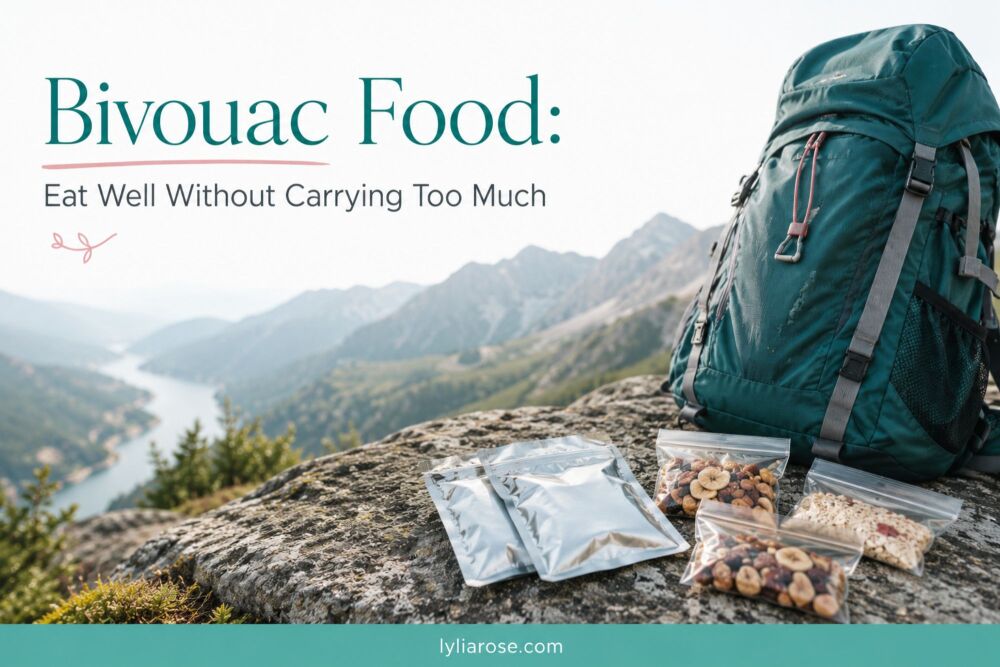
Spending a night outdoors requires more than a reliable tent and a suitable sleeping bag. Food also plays an essential role, both in maintaining energy levels during the hike and in making the whole experience more enjoyable.
When planning a bivouac, the main challenge is finding the right balance between weight, volume, nutritional value and ease of preparation. Carrying too much food adds unnecessary weight to your pack, while not bringing enough can affect your performance, mood and recovery.
That is why it is important to plan each meal in advance and choose foods that suit the level of effort, the length of the trip and the conditions you are likely to face.
What Is a Bivouac?
A bivouac is a lightweight overnight stay outdoors, usually without the facilities of a campsite. It often involves sleeping in a tent, bivvy bag or under a tarp while hiking, trekking, mountaineering or bikepacking. Unlike traditional camping, a bivouac focuses on carrying only essential equipment, making food choices particularly important as every item in your backpack adds weight.
If you're planning your first overnight adventure, you may also find our guide on how to save money when you go camping helpful.
What Should a Good Bivouac Meal Provide?
During a day of hiking, trekking or mountaineering, the body uses more energy than usual. Elevation gain, the weight of the backpack, cold weather and long hours of physical activity all increase nutritional needs.
A good bivouac meal should meet four main requirements:
-
Provide enough calories.
-
Be lightweight and easy to carry.
-
Require little water and fuel.
-
Be enjoyable and easy to digest.
Carbohydrates are especially important because they provide quick energy for walking. Fats offer a higher calorie density and help increase energy intake without adding too much volume. Protein, meanwhile, supports muscle recovery after several hours of effort.
There is no need to calculate every nutrient precisely, but it is worth combining a variety of foods rather than relying only on energy bars, nuts or snacks.
How to Organise Meals During the Hike
Meal planning can vary depending on the intensity of the activity and personal habits. However, for one or several days outdoors, a simple structure usually works well.
Breakfast should provide energy without feeling too heavy. Oats, muesli, dried fruit, instant coffee and powdered drinks are all easy to carry and prepare.
While walking, it is often better to eat small amounts regularly. Instead of waiting until you are extremely hungry, you can snack on nuts, biscuits, energy bars, chocolate, dried fruit or simply crackers or roasted chickpeas.
For lunch, many hikers prefer a cold meal that does not require setting up the stove. Durable bread, wraps, cured meat, tuna pouches and nut butter can all be used to prepare quick and energy-dense meals.
Dinner is usually the most comforting meal of the day. After a demanding hike, a hot dish can help restore energy, warm you up and make the evening feel much more enjoyable.
A warm meal can also help you stay comfortable after a long day outdoors, especially if you're camping in colder conditions. Here are more tips on how to stay warm when camping.
Lightweight and Easy-to-Prepare Foods
Freeze-dried food has become one of the most practical choices for people who want to reduce pack weight without giving up a complete meal.
The freeze-drying process removes most of the water from the food, significantly reducing its weight while allowing it to be stored for long periods. Preparation is usually simple: add hot water directly to the pouch and wait a few minutes.
Freeze-dried meals can include pasta, rice, vegetables, pulses, plant-based proteins, soups, breakfasts and even desserts. There are options for different tastes, calorie requirements and dietary needs.
They also make it easier to calculate portions and avoid carrying separate ingredients, extra cookware or heavy packaging. Specialist retailers offering camping food provide meals designed for hiking, camping and multi-day expeditions.
How Much Food Should You Take?
One of the most common mistakes is carrying too much food “just in case”. Although it is sensible to include a small emergency reserve, there is usually no need to double every portion.
The right amount depends on body weight, trip duration, elevation gain, temperature and effort level. On a demanding day, calorie needs can rise significantly.
A simple approach is to pack:
-
One breakfast per day.
-
One main daytime meal per day.
-
One dinner per day.
-
Two to four snacks per day.
-
One small emergency ration.
Before packing everything, it can be useful to place each day’s food in a separate bag. This makes it easier to control portions and prevents eating too much during the first part of the trip.
You should also check how much water each meal requires. In dry areas or on routes with limited water sources, water availability can influence the type of food you choose.
Tips for Safe Outdoor Cooking
A camping stove should always be used on a stable surface, in a well-ventilated area and away from flammable materials. It should never be used inside a fully closed tent because of the risk of fire and carbon monoxide build-up.
Before setting off, check that the stove works properly and estimate how much fuel you will need. If you are taking a partially used gas canister, you can weigh it to get a rough idea of how much fuel remains.
It is also important to shelter the flame from the wind without completely blocking ventilation around the canister. A poorly positioned windscreen can cause dangerous overheating.
After eating, all rubbish should be packed away and carried to an appropriate disposal point. This includes pouches, food scraps, tissues and small pieces of packaging.
Eating Well Is Part of the Adventure
Bivouac food does not have to be complicated. With a little planning, it is possible to enjoy complete, lightweight and easy-to-prepare meals without filling your backpack with unnecessary items.
Choosing energy-dense foods, controlling portions and saving a hot meal for the end of the day can greatly improve the experience. After several hours on the trail, sitting in front of a mountain view with a warm meal is often one of the most memorable moments of the trip.
Before leaving, review your menu, try the meals at home and make sure your stove, fuel and food choices are genuinely suited to the route.