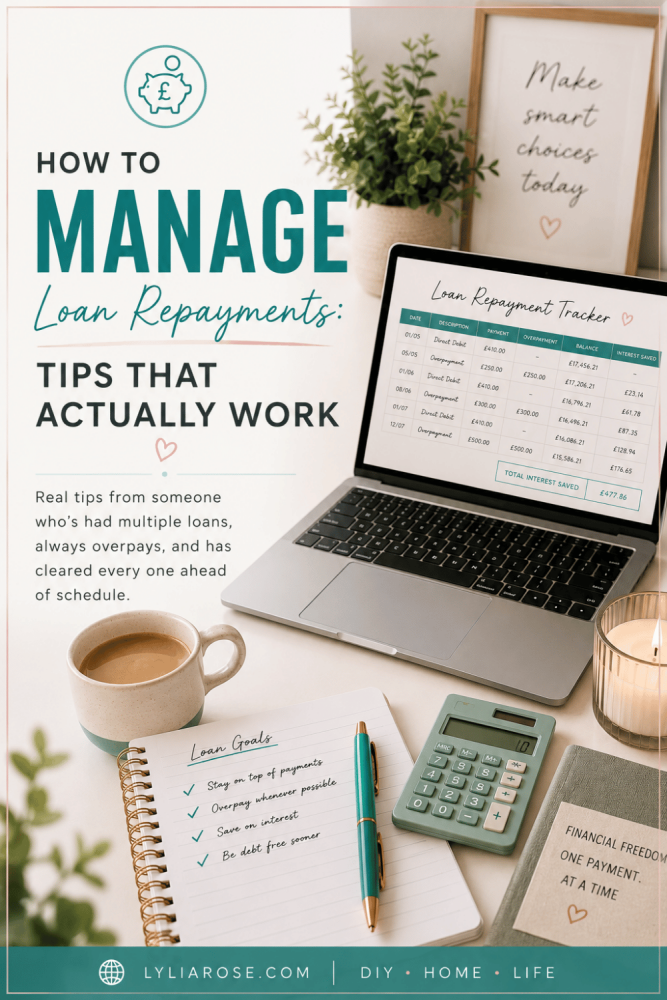
How To Manage Loan Repayments
Posted on
I've had multiple loans over the last 15 years - for a car, for home improvements, for surgery, and most recently three bank loans to buy my husband's and my cars outright. I've always managed to pay them off ahead of schedule, and I've learned a lot along the way about what works, what to watch out for, and when a loan is and isn't the right choice.
I'll be honest - my relationship with borrowing wasn't always this disciplined. In my late teens I accumulated serious debt across seven store cards, three credit cards and a loan, spending irresponsibly on nights out, clothes and meals out - nothing of lasting value. I ended up on a debt management plan for five to six years paying it all back. That experience taught me to think very carefully before borrowing anything, and to always make sure I can genuinely afford the repayments before I sign anything.
Since then, I've managed every loan well - and paid them all off faster than the original term. Here's how.
Think carefully before taking out a loan
The most important step happens before you borrow anything. A loan is only worth taking if the thing you're borrowing for genuinely justifies the total cost, and the repayments are comfortably within your budget even in a lean month.
I wouldn't borrow for something frivolous - I learned that lesson the hard way. But I'm comfortable borrowing for things with real lasting value: a reliable car, home improvements that add value to our property, or a medical procedure I'd otherwise wait years to afford. For large purchases we've made in the £10,000 to £38,000 range, saving from scratch could take the best part of a decade. A well-managed loan lets you make meaningful improvements now while still owning the result outright. There are also ways to raise cash for an unexpected bill if you need a smaller amount without committing to a long-term loan.
The key word is affordable. Right now my husband and I have two car loans running simultaneously, and with income that fluctuates from self-employment, we're feeling the squeeze during quieter patches. It's manageable, but it's a reminder that borrowing always carries risk when your income isn't fixed. Financial security as a self-employed person requires extra thought around any borrowing commitments.
Always compare loan rates - don't just accept what the dealer offers
When we bought my husband's car, the dealer offered finance at 10% or more. We got a bank loan at 6% instead. That difference matters enormously over the life of a loan, and it's not something dealers advertise loudly. It's always worth understanding your car buying options before you commit to any finance arrangement.
The other significant difference: the dealer's finance option had no ability to overpay. That alone was a dealbreaker for me. Always check whether a loan allows overpayments before you sign - if it doesn't, you're locked into the full interest cost regardless of what you pay extra.
I'm a fan of Tesco loans and have had three of them - for a car, home improvements and a surgery. I've always overpaid and cleared each one with a final lump sum well before the original end date.
My current loans are with Tesco and M&S Bank, and we just recently cleared one with Santander. M&S has been straightforward - the only minor frustration was that you can only view your loan online if you have an M&S bank account. I didn't have one, so I had to open an M&S savings account and fund it just to be able to see my loan balance and outstanding amount online. A small annoyance but worth knowing before you apply.
Set up a direct debit for the standard payment, then overpay on top
My approach to every loan is the same: set up a direct debit on the 1st of the month for the contractual payment amount, so it always goes out on time without thinking about it. Then overpay as much as possible on top each month. Good salary and budget management throughout the month makes it much easier to identify what you can afford to overpay.
Overpaying does two things. First, it reduces the outstanding balance faster, which means you pay less total interest over the life of the loan. Second, on many loans it reduces your required monthly payment going forward - so if you hit a tight month, your minimum obligation has already shrunk.
The amounts don't have to be dramatic. Even modest regular overpayments add up significantly over a two or three year loan term. Every pound you overpay today is a pound you're not paying interest on tomorrow.
A real example of how much overpaying a loan can save you
To show what a loan overpayment actually looks like in practice: my current Tesco loan started at £25,000 over 7 years at 6.2%, with an original monthly payment of £371.67.
I started overpaying from the very first month. In the year and a half since, that monthly payment has dropped to £255.27, a reduction of over £116 a month, showing exactly how overpaying can lower your personal loan payments over time.
I've also saved £1,612.43 in interest so far, and the loan isn't even paid off yet.
The rebates can be substantial too. My most recent single overpayment of £966.22 triggered an interest rebate of £175.27, straight back off what I owe.
At this rate, I'm aiming to clear the loan in 4 years or less, rather than the original 7-year term.
Whether a loan overpayment reduces your monthly payment or shortens your loan term depends on your lender, some let you choose, so it's worth asking. These overpayment rights generally apply to loans taken out after 11 June 2010, so if yours is older than that, check your specific terms first.
Track every payment on a spreadsheet
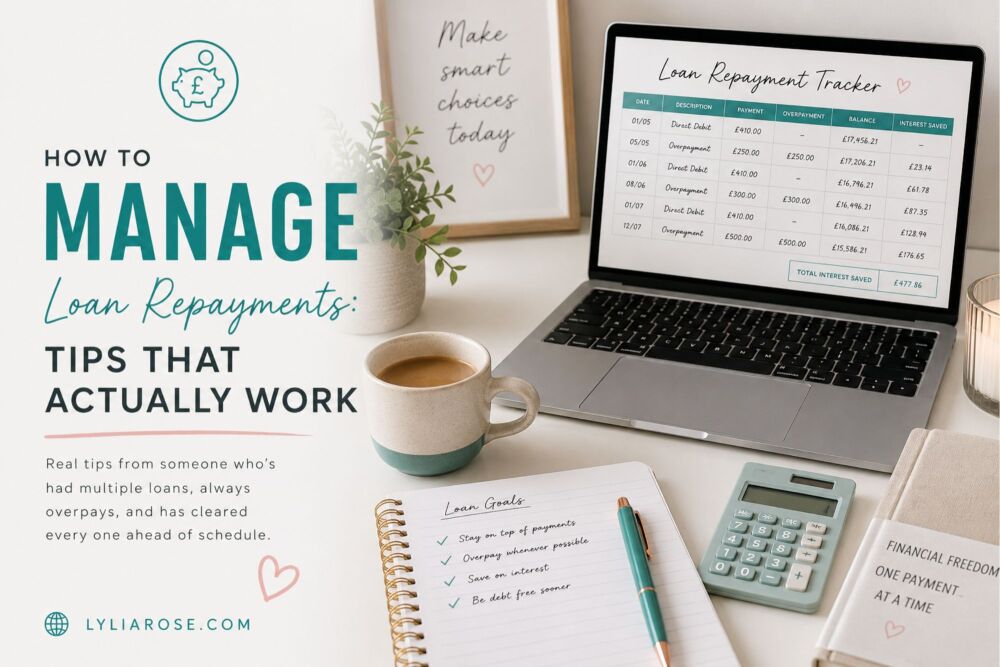
I manage all my loans on a spreadsheet. Every regular direct debit payment and every overpayment gets logged, along with the date and the running balance. I have formulas built in to show me how much interest I'm saving because of my overpayments compared to the original loan schedule. Keeping on top of your personal finances and budgeting like this makes a real difference to how in control you feel.
This might sound like overkill, but it's given me peace of mind and caught errors. When I recently had a Santander loan, I was making significant overpayments - sometimes £500 or more - and repeatedly receiving letters thanking me for an overpayment of 54p. This happened more than ten times. Having my own spreadsheet meant I could see exactly what should have been happening versus what they were recording. I paid it off in the end because it was too stressful, but keeping meticulous records meant I always knew exactly where I stood.
I now have a much stronger preference for lenders who handle overpayments properly. Tesco Bank has always processed mine correctly and I've never had an issue.
Check your balance regularly
Don't just set up the direct debit and forget about it. Log in periodically - or check your spreadsheet - and verify that:
- The correct payment has been taken each month
- Overpayments have been applied to your balance correctly
- The outstanding balance is reducing as expected
Lenders do make errors. If something looks wrong, contact them immediately with your records to hand.
Consider whether to overpay or save
One question that often comes up is whether it's better to overpay a loan or put spare money into savings. The answer depends on the interest rate.
If your loan is at 6% and you can find a savings account paying more than 6%, you may be better off saving than overpaying - especially if your savings are in a tax-efficient wrapper like a cash ISA. If your loan interest rate is higher than anything you can earn in savings, overpaying wins.
Check the numbers for your specific situation rather than assuming one approach is always right. For most personal loans at current rates, overpaying tends to make financial sense - but it's worth doing the maths. For me, I'd rather get our loans cleared first for the peace of mind it brings.
Build a buffer before you start overpaying
Before you start throwing extra money at a loan, make sure you have an emergency fund in place. If you overpay aggressively and then face an unexpected cost - a broken boiler, a car repair, a drop in income - you may end up needing to borrow again at short notice, which could wipe out any savings you made.
I'd recommend having at least one to three months of essential expenses saved before making significant loan overpayments. The security of knowing you won't need to borrow in an emergency is worth more than the interest saved by overpaying a few months earlier.
Know when to get help
If you're struggling to keep up with loan repayments, the worst thing you can do is ignore it. Missed payments damage your credit score, attract late fees, and can escalate quickly. Understanding what happens if you don't pay debt is important so you know exactly what's at stake.
Contact your lender early - before you miss a payment if possible. Most lenders have hardship processes and may be able to offer a payment holiday, a temporary reduction in payments, or a restructure of the loan. They would generally rather work with you than pursue a missed payment.
Organisations like StepChange and the Citizens Advice Bureau offer free, confidential debt advice and can help you understand your options. There's no shame in asking for help - I spent several years on a debt management plan in my twenties and it was the right decision at the time. It was hard, but it gave me the structure I needed to clear everything and start again properly.
The mindset that makes loan management work
Managing loans well isn't complicated, but it does require honesty with yourself - about what you can actually afford, about how your income might fluctuate, and about whether the thing you're borrowing for is worth the total cost. Having rules for preventing future debt and mastering your finances in place makes a real difference to how confidently you can take on and manage borrowing.
For me, the non-negotiables are: compare rates thoroughly before committing, always check that overpayments are allowed, track every payment yourself rather than relying on the lender, and overpay whatever you can whenever you can.
Done right, a loan doesn't have to be something that drags on for years. My aim with every loan I've taken has been to own the outcome - whether that's a car, a kitchen, or a home improvement - as quickly as possible. That mindset has meant I've cleared every loan ahead of schedule, paid less interest than the original quote, and never missed a payment.
Before you go...
If you're looking for practical ways to keep more money in your pocket each month, 100 best ways to save money in the UK is a good place to start.