How to Find Space to Add a Second Bathroom in Your Home
Posted on
Adding a second bathroom can make a big difference to daily life, especially once a family grows and everyone needs the space at the same time. It’s one of those home improvements that feels like a luxury at first but quickly becomes something you wonder how you lived without.
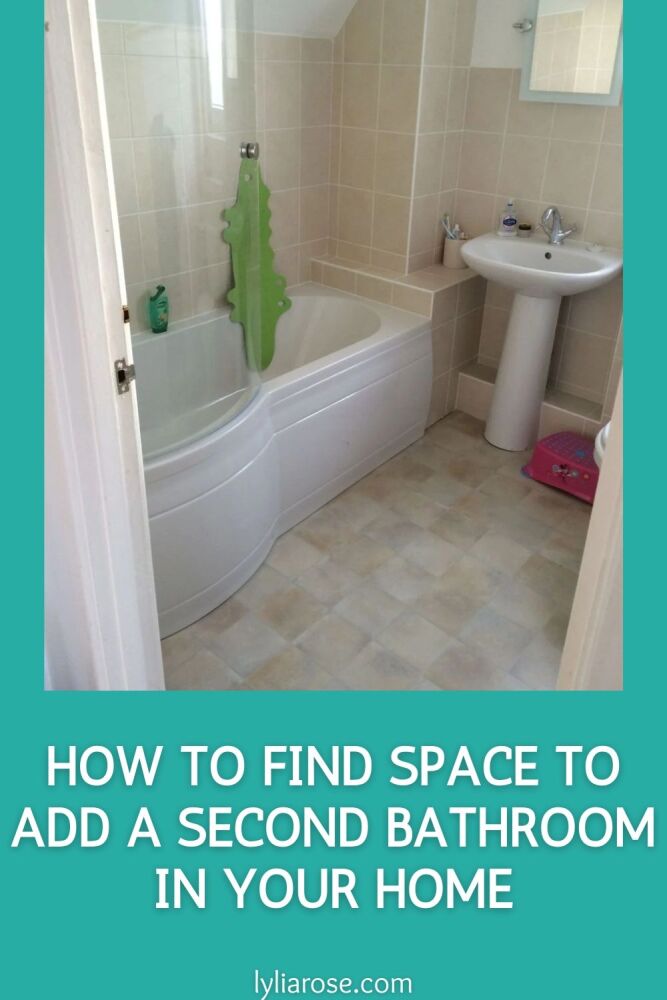
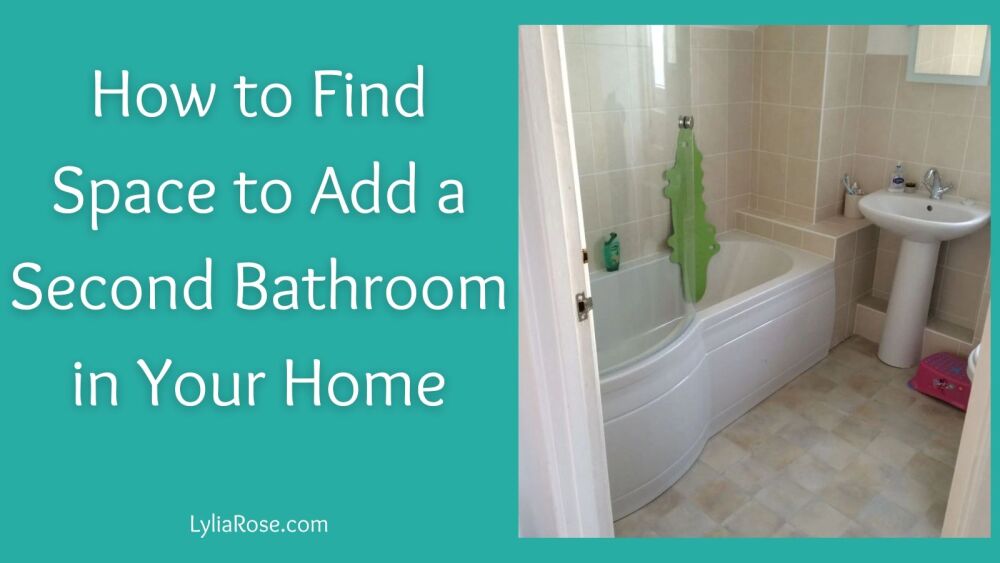
When we first bought our old house, we only had one bathroom. It felt manageable in the beginning, but once children were in the mix and routines changed, mornings started to feel chaotic. It became clear that one bathroom wasn’t going to work long-term, so we started looking at ways to create a second one.
It can feel overwhelming trying to find space for something as practical as a bathroom, especially if your home feels small or already full. But most homes have potential spots that could work, even if they don’t seem obvious at first. Whether it’s a simple second toilet or a full ensuite, the right design can make the most of even a small footprint.
Installing a second bathroom is also a great way to add value. Homes with more than one bathroom tend to appeal to more buyers and often achieve higher sale prices. And even if selling isn’t on your mind right now, improving comfort and convenience is often enough reason to go ahead.
Where to find space for a second bathroom
There are several places you can consider when planning a second bathroom. Some ideas are easier and more affordable, while others work better as part of a bigger renovation. The right choice depends on your budget, your home layout and how the new bathroom will be used.
Sometimes the best option is starting small. Compact toilets, narrow sinks and corner fittings make it possible to install a second bathroom or WC almost anywhere. You can get toilets with sinks attached to the back of them, corner toilets and more genius ideas for creatign a second bathroom even in a tight space. The key is planning around plumbing, ventilation and accessibility.
Here are some of the most practical places to add a toilet, shower or full bathroom.
Under the stairs
The space beneath a staircase can often fit a toilet and compact sink, making it ideal for a downstairs WC. It’s a popular place because the structure already exists, and the work tends to be less disruptive.
Headroom is the main limitation. You need enough height under the stairs to stand comfortably in front of the toilet. Good lighting and ventilation are also important since this space can feel dark and enclosed.
In the loft
If you have unused loft space, an attic conversion can be an excellent opportunity to add a bathroom. It works especially well if you're already planning to create a bedroom or office in the loft so the room and ensuite become part of one loft conversion project.
Weight is a factor. A bath full of water is heavy, so joists sometimes need reinforcing. Plumbing and ventilation also need careful planning. But once complete, a loft bathroom can feel private, calm and tucked away from the busy areas of the house.
In a garage conversion
Garage conversions have become much more common over recent years. If you no longer need a full garage, or you’re happy to shift tools and bikes elsewhere, part of the space can be used for a second bathroom.
Garages aren’t usually insulated to the same standard as living areas, so heating and insulation need to be considered. But the extra room often means there’s space for a full bathroom or even an ensuite during a conversion.
In a garden room or annexe
A garden room with plumbing can serve as a guest space, home office or teenage hideaway. Adding a bathroom turns it into a self-contained area that can be incredibly useful
This isn’t usually the first choice if you’re trying to solve bathroom queues inside the main house, but it’s a great option if you want flexibility or occasional extra space.
In a bedroom
Adding a compact ensuite to a bedroom is one of the most convenient options, especially in a main bedroom. Modern shower pods, slim basins and clever layouts mean you don’t need a lot of floor space.
The main challenges are noise and ventilation. Good extraction prevents condensation and the risk of mould, and insulation helps reduce plumbing noise at night.
Building an extension
If the layout of your home doesn’t offer an obvious place for another bathroom, an extension could give you exactly what you need. It’s not the cheapest route, but it creates a purpose-built room rather than adapting an existing one.
A well-planned extension can be used for a bathroom, utility room, extra bedroom or downstairs toilet, depending on what fits your lifestyle best.
Our experience installing a second bathroom
When we faced the issue years ago, we didn’t have an obvious spot for a bathroom either. After considering different layouts and possibilities, we eventually converted part of the garage. We created a fourth bedroom with an ensuite and also added a downstairs toilet from the remaining garage space.
It wasn’t the original plan when we bought the house, but it turned out to be the perfect solution. The extra bathroom made such a difference to family routines and made the house feel balanced rather than cramped.
Looking back, it was one of the most worthwhile improvements we made to that property. Even though we don’t live there anymore, that decision improved daily life and likely added considerable value when we sold - none of the other houses on the street had a downstairs toilet, or a fourth bedroom with en-suite.
Practical considerations before you start
Before committing to installing a second bathroom, there are a few things to think through:
• Plumbing access, especially drainage
• Ventilation to prevent damp or mould
• Heating and insulation
• Water pressure
• Accessibility and privacy
• Budget and timescale
Most homes already have plumbing routes that can be used or extended. Working near existing water pipes often reduces cost and complexity.
Hiring a qualified builder or plumber is important unless you’re very experienced. Regulations exist to make sure plumbing works safely and efficiently, and getting drainage wrong can lead to expensive future problems.
Is adding a second bathroom worth it?
In most cases, yes. Whether it’s for convenience, comfort or increasing your property value, an extra bathroom has long-term benefits. It can turn morning queues into calm routines and make the house feel more spacious and functional.
Even a simple second toilet can make life easier. A full bathroom or ensuite takes things to another level, especially for families or homes with multiple adults.
Conclusion
Finding the space to add a second bathroom takes a bit of planning, but it’s usually possible even in smaller homes. With compact fixtures, clever layouts and a clear plan, you can create a practical space that improves daily life and adds value.
Our own experience showed that the solution isn’t always obvious at first. Sometimes the best answer comes from reimagining a space you already have. And once it’s done, it’s one of those improvements that genuinely changes how a home feels and functions.
Adding a second bathroom is often easier than it first seems. You can use under-stairs space, a loft, a garage conversion or even part of a bedroom. Compact toilets and sinks make small areas workable, and planning near existing plumbing helps keep the project practical and affordable.
On Pinterest? Please Pin Me: