Ways You’re Wasting Money Without Realising It
Posted on
Most people don’t waste money deliberately.
It slips away quietly. A few pounds here. A direct debit there. Something you meant to cancel but never did. Before you know it, your bank balance feels tighter than it should.
If you’ve ever wondered why saving feels harder than it needs to be, the answer often isn’t your income. It’s the small, repeated habits that drain money without making life any better.
This guide looks at common ways people in the UK waste money without even realising it, and what you can do instead. Nothing extreme. Just simple changes that actually stick.
Shopping Little and Often
Regular supermarket trips are one of the biggest silent money drains.
Popping in “just for bread” rarely ends with bread. Supermarkets are designed to encourage impulse buys, and frequent visits mean more temptation, more top-ups, and higher overall spending.
A weekly or fortnightly shop makes it easier to plan meals, stick to a list, and buy better-value items. Long-life staples, frozen food, and household basics are usually cheaper per unit when bought in larger packs.
It also saves time, which is often overlooked. Fewer trips mean fewer chances to spend money without thinking. And if you drive to the shops, fewer car journeys will save money on fuel too.
Read my article how to save money on the weekly grocery shop for extra money-saving hacks.
Subscriptions You’ve Forgotten About
Subscription creep is real.
Streaming services, apps, cloud storage, fitness platforms, magazine trials. Individually they seem cheap. Together they can quietly add up to a surprising monthly total.
Many people pay for subscriptions they rarely use, or forgot they even had. Others keep multiple services that overlap, especially with TV and music.
A simple audit can make a big difference. Check your bank statements and look for repeating payments. Ask yourself one honest question for each one. Would I sign up for this again today?
If the answer is no, cancel it. It's a quick win to start saving extra money without losing out on anything.
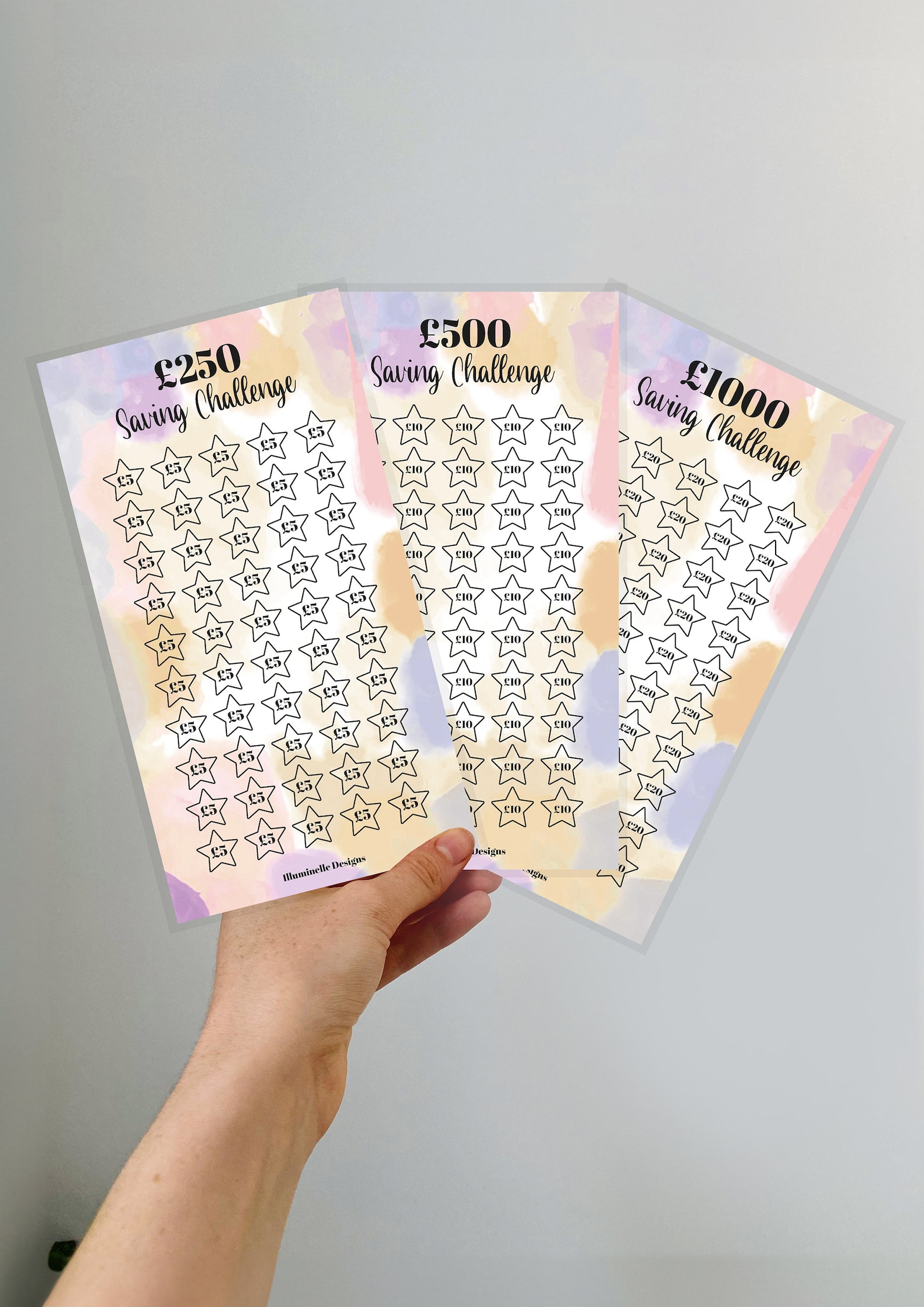
Money Saving Challenge - Over 60 to choose from
Gym Memberships That Sounded Like a Good Idea
Gym memberships are a classic example of aspirational spending.
Signing up feels like a positive step. But if it becomes something you feel guilty about rather than something you use, it’s wasted money.
Long contracts are especially risky. Paying £30 to £50 a month for something you barely use adds up fast, and cancelling can be difficult.
If you want to exercise, flexibility matters more than commitment. Pay-as-you-go gyms, short rolling contracts, home workouts, walking, running, and free outdoor spaces often work better in real life.
Saving the money you would have spent on a gym you don’t use is progress in itself.
Heating an Empty Home
Heating costs are one of the biggest household expenses, and one of the easiest to waste money on without noticing.
Leaving the heating on while the house is empty, heating rooms you don’t use, or running it longer than necessary can quietly push bills higher every month.
Timers, thermostats, and zoning help, but habits matter too. Turning the heating down when you go out, closing doors to unused rooms, and being realistic about comfort rather than habit all make a difference.
Small changes here can save a meaningful amount over a year.

10 Pound Fund Money Tin Sticker
Paying Interest You Don’t Need To
Credit card interest is one of the most unnecessary costs many people accept as normal.
If you’re paying interest every month, that’s money leaving your account for nothing tangible in return. Often it happens simply because deals expire and people forget to switch.
There are still plenty of 0% purchase and balance transfer options available in the UK. Used carefully, they can stop interest from eating into your money while you pay down balances.
The key is awareness. Know when deals end, and plan ahead rather than reacting after interest starts building.
Foreign Transaction Fees and Poor Exchange Rates
Spending or sending money in another currency can cost far more than expected if you don’t check the fees.
Many debit and credit cards add foreign transaction charges. Exchange services can hide costs in poor rates. And international transfers often include transaction fees for sending money abroad that aren’t obvious upfront.
Whether you’re travelling, paying for services abroad, or sending money to family, it’s worth comparing options before you pay. A small percentage difference can mean losing far more than you realise over time.
Paying attention here keeps more of your money where it belongs.
Insurance You Don’t Need or Don’t Use
Insurance is important, but over-insuring is a common way money gets wasted.
This might include duplicate cover, add-ons that offer little real protection, or policies that no longer suit your situation. Many people keep old insurance out of habit rather than need.
It’s worth reviewing policies occasionally and checking what you’re actually covered for. If something doesn’t offer real value or peace of mind, it may not be worth the ongoing cost.
Convenience Spending That Becomes Routine
Convenience spending isn’t bad. But when it becomes automatic, it can quietly take over.
Regular takeaways, daily coffees, meal deals, and last-minute purchases often feel small in the moment. Over weeks and months, they add up to a serious chunk of money. If you're a foodie, then check out my tips for ways to get free food.
This isn’t about cutting everything out. It’s about noticing patterns.
If something no longer feels like a treat and just feels expected, it might be worth changing how often you do it.
Loyalty to Providers That Doesn’t Pay Back
Staying loyal doesn’t always save money.
Many people stay with the same broadband, mobile, insurance, or energy provider for years without checking alternatives. Introductory deals end, prices creep up, and inertia takes over.
A quick comparison can reveal whether you’re paying more than necessary. Even if you don’t switch, asking for a better deal can often reduce costs.
Doing this once a year can save far more than most people expect.
Small Bank Charges and Fees
Bank charges often go unnoticed because they’re small and scattered.
Overdraft fees, account charges, card fees, and penalties for going slightly over limits can quietly drain money. They’re easy to miss unless you check statements carefully.
If charges appear regularly, it’s usually a sign something needs adjusting. That might mean switching accounts, setting up alerts, or keeping a slightly larger buffer.
Reducing friction here makes managing money feel easier, not harder.

Buying Things Without a Plan
Impulse purchases don’t always feel impulsive.
They can happen when you’re tired, stressed, bored, or just scrolling. Items feel affordable in isolation, especially online, but add up quickly when repeated.
Giving yourself time before buying, even a short pause, often changes the decision. If something still feels worth it later, that’s usually a better sign.
And, when it's time to buy, make sure you look for the best cashback deals and UK voucher codes to save money.
Planning spending gives money purpose. Without a plan, it tends to disappear.
Why These Small Leaks Matter
None of these things alone will ruin your finances.
But together, they can stop you saving, increase stress, and make money feel tighter than it should. The frustrating part is that many of them don’t actually improve your quality of life.
Stopping money leaks isn’t about deprivation. It’s about alignment. Spending on what genuinely matters, and cutting what doesn’t.
That’s how saving becomes possible without feeling restrictive.
How to Start Without Feeling Overwhelmed
You don’t need to fix everything at once.
Start with one area. Cancel one subscription. Change one habit. Review one bill. Small wins build momentum.
Money works best when it feels intentional rather than reactive. And once you stop wasting it without realising, it becomes much easier to use it in ways that actually support your life.
If you’ve ever felt like your money should be going further, this is usually where the answer starts.
Most people don’t need to earn more to feel better off. They just need fewer leaks.