
Tool Chest Maintenance Tips That Save You Money Too
Posted on
If you enjoy DIY, crafting or home improvement, your tools are something you rely on regularly. From quick fixes around the house to larger projects like improvements in bathroom spaces, having tools that work properly makes everything easier. It also saves money.
Well-maintained tool chests are not just about neat storage. They protect your equipment, reduce wear and tear, and help your tools last far longer. That means fewer replacements, fewer emergency purchases, and more control over your home improvement budget.
With a few simple habits and occasional checks, you can keep your DIY gear in excellent condition all year while avoiding unnecessary spending.
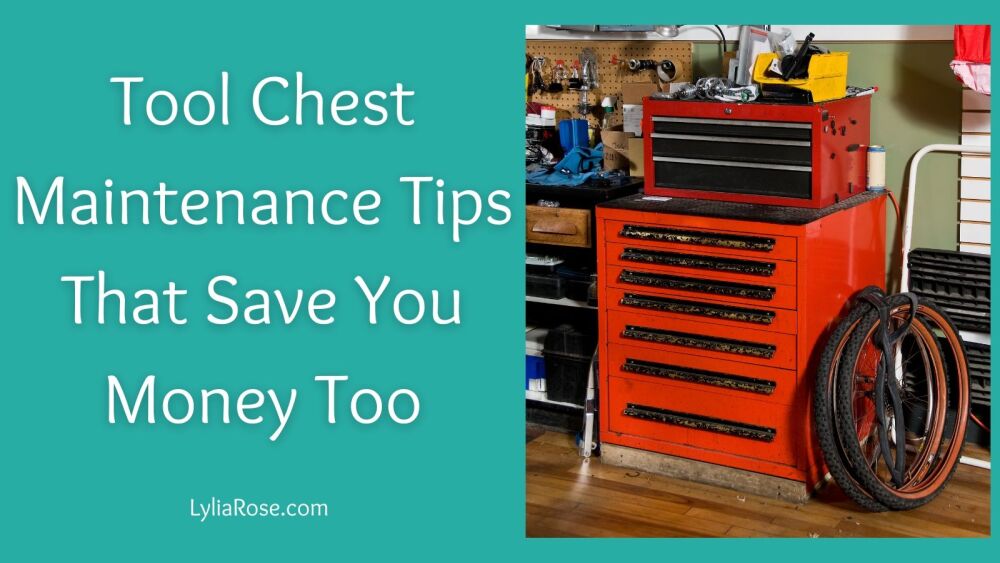
Why Tool Chest Care Is a Smart Financial Move
Replacing tools is expensive. Even basic hand tools add up quickly, and power tools cost even more. Most damage does not come from heavy use, but from poor storage, moisture, dirt and disorganisation.
A well-kept tool chest protects what you already own. It helps prevent rust, dull blades, broken parts and lost accessories. Over time, that protection translates directly into savings, especially if you do regular DIY rather than calling in professionals for every job.
Cleaning and Caring for Your Tool Chest
The foundation of good tool care is keeping tool chests clean. Dust, debris and metal filings build up easily, particularly in garages, sheds or utility rooms. Left alone, this grime can scratch surfaces, clog drawer runners and contribute to rust.
A regular wipe with a soft cloth keeps things under control. For a deeper clean, a mild soap solution works well. Always dry everything thoroughly afterwards, as lingering moisture is one of the biggest causes of tool damage.
Drawer maintenance matters more than many people realise. Smooth drawers protect tools from impact and make everyday tasks quicker. If drawers begin sticking, removing them and cleaning the runners often fixes the issue. A very small amount of suitable lubricant on metal tracks restores smooth movement without attracting dust.
Inside drawers, organisation helps prevent damage. Simple liners or dividers stop tools knocking together, which helps keep blades sharp and handles intact. A tidy drawer is easier to maintain and far less likely to cost you money later.
Rust Prevention and Moisture Control
Metal tools are particularly vulnerable to moisture. Even indoors, temperature changes can cause condensation, especially during colder months.
Light lubrication offers an easy solution. Wiping metal surfaces with an oily cloth creates a protective barrier that helps prevent corrosion. Hinges, pliers and adjustable tools also benefit from occasional lubrication to keep them working smoothly.
Humidity control is just as important. If your tool chest lives in a garage or shed, moisture absorbers or silica gel packs placed inside drawers can make a noticeable difference. These inexpensive additions help protect your tools from damp conditions that often go unnoticed.
The same thinking applies when planning home projects. Whether you are working on a kitchen refresh or improvements in bathroom areas, protecting tools from moisture ensures they are ready when you need them again.
Keeping your tool chest raised slightly off cold concrete floors also helps. It reduces exposure to ground moisture and temperature changes, which are common causes of rust over time.
Seasonal Checks That Prevent Costly Replacements
A seasonal review of your tools helps you stay ahead of problems. Checking for rust, wear or missing parts before starting a project prevents delays and last-minute purchases at higher prices.
Winter is often a good time for this. Many people tackle fewer outdoor jobs, making it easier to sort, organise and assess equipment. It is also when sales are common, which can be useful if something genuinely needs replacing.
Upgrading does not always mean buying new tools. Sometimes new attachments, replacement batteries or better storage inserts are enough to improve performance. These small updates cost far less than replacing entire tools and often extend their usable life.
Making DIY Pay Off Long Term
DIY only saves money if your tools are reliable. A neglected setup leads to frustration, repeated purchases and unfinished jobs. A maintained one supports confidence, efficiency and better results.
Looking after your tool chest does not require perfection or expensive products. Consistent habits like cleaning, moisture control and occasional reviews go a long way. Over time, those small efforts reduce waste, prevent damage and protect the money you have already spent.
When your tools are organised, protected and ready to use, every project feels easier. And that is when DIY truly becomes the cost-saving skill it is meant to be.