3 Important Reasons to Choose Organic (other than your personal health)
Posted on
Every so often a news story pops up claiming organic food is no better for you than non-organic. My response has always been the same: so what.
Even if that were true - and I think there's plenty of evidence suggesting otherwise - personal health is not the only reason to choose organic. It's not even the only reason I choose it.
We're a fully vegan household and we buy organic wherever we can. Right now we're on more of a budget than we'd like, and organic is genuinely more expensive, but it still stays on the priority list. Fruit, vegetables, coffee, oil, plant-based milk - if there's an organic version available, we'll buy it. Our local supermarket doesn't stock organic across the board, so it's not always possible, but we take it where we can get it.
The reason I'm willing to stretch the budget for it has very little to do with what goes into my body. It's about what happens outside of that - to the soil, the animals, the insects, the ecosystem that we all depend on whether we think about it or not.
So to every article that frames the organic debate purely as a personal health choice: you're missing the bigger picture.
Here are the three reasons I'd still choose organic even if it made zero difference to my own health.
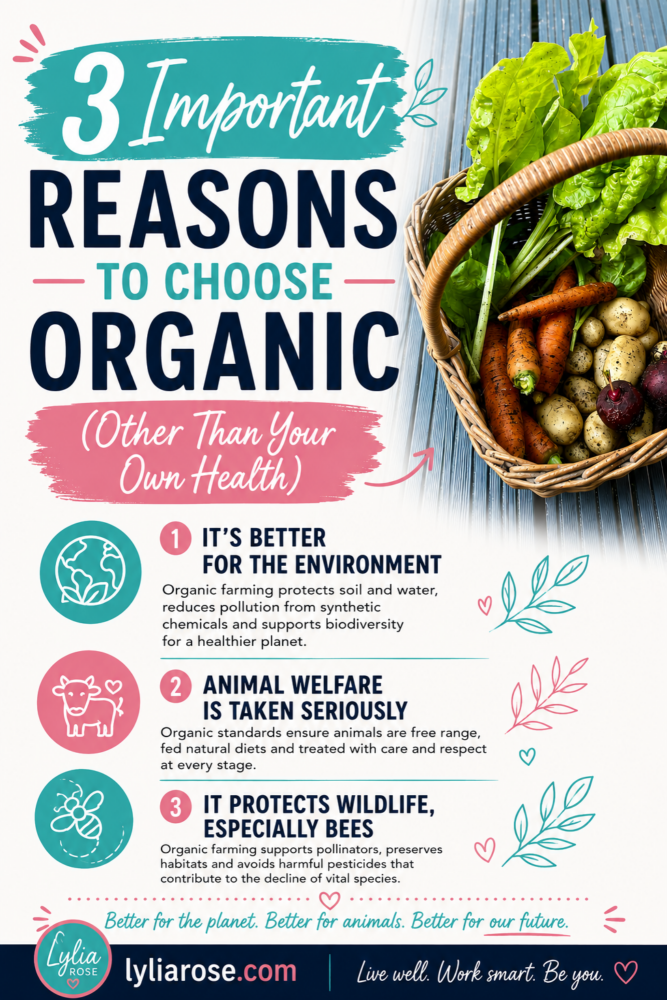
1. It's better for the environment
Spraying synthetic chemical pesticides onto crops at scale is genuinely terrible for the environment. Glyphosate is probably the most well-known example - it's one of the most widely used herbicides in the world and there's a growing body of concern around what it does to soil health, water systems and biodiversity. But it's far from the only one. Rain washes synthetic chemicals off crops and into the ground, into rivers, lakes and eventually our drinking water supply. Many can't be broken down naturally, so they accumulate and cause serious damage - including dead zones in waterways where nothing can survive.
Non-organic farming also tends to over-farm the land, stripping soil of nutrients over time. Healthy soil is genuinely one of the most important things on the planet - it's what food grows in, it stores carbon, it filters water. Organic farming takes a different approach, rotating crops, allowing soil to recover and replenish, and working with natural systems rather than against them. It's slower and more expensive, but far less destructive in the long run.
Growing our own food has really brought this home for me. We have ten vegetable patches in our garden and this year alone we're growing 30 different fruits and vegetables - potatoes, tomatoes, grapes, blueberries, butternut squash, sweetcorn and plenty more. Everything we grow is organic. No synthetic pesticides, no herbicides, just decent compost, crop rotation and patience. Seeing how well things grow without chemicals, and seeing the insects and birds that turn up because of it, makes it very hard to feel relaxed about industrial-scale pesticide use.
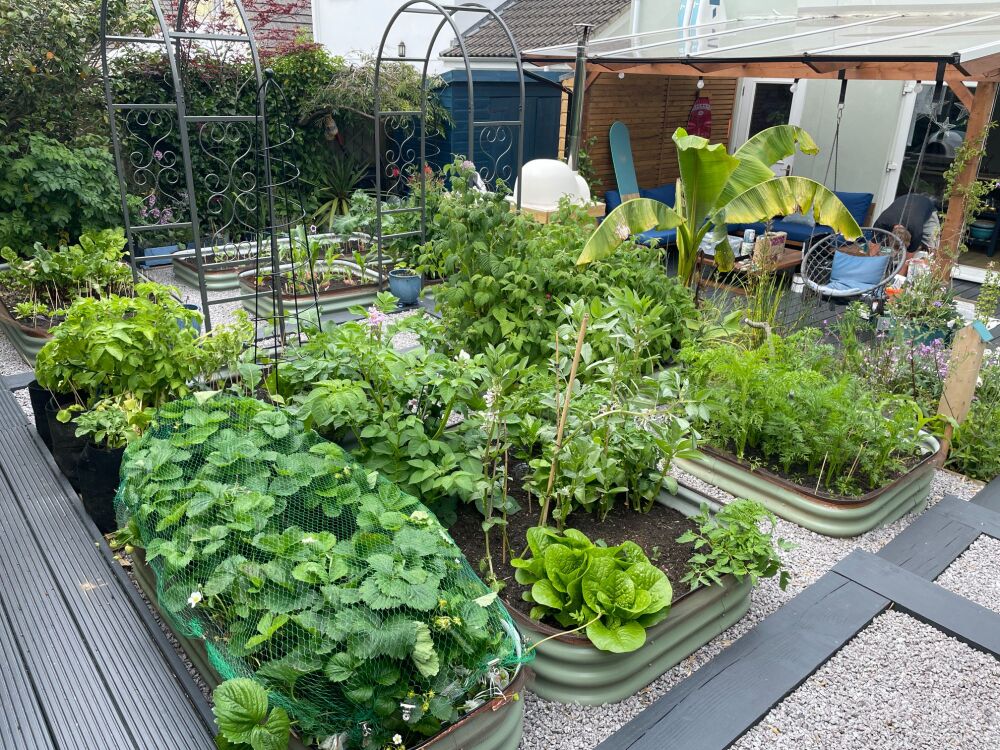
We grow lots of organic vegetables, salads and fruits in our home garden, but also buy organic from the supermarket and Riverford too.
2. Animal welfare is taken seriously
Getting an organic certification isn't just about avoiding synthetic chemicals. It involves meeting strict standards across the board, including how animals are treated. The Soil Association organic symbol, for example, guarantees that animals are genuinely free range, fed a natural diet free from GM foods, and looked after to a much higher standard than conventional farming typically requires.
We don't consume animal products, but this still matters to us. The standards applied to organic farming affect the whole system. Supporting organic farming - even through buying organic plant-based products - puts money into a model of agriculture that takes animal welfare seriously rather than treating it as an afterthought. If you care about living more sustainably and reducing harm where possible, that's worth something.
3. It protects wildlife, especially bees
This is the one I feel most strongly about. Organic farming actively supports wildlife rather than working against it. Hedgerows are preserved as habitats for small mammals and birds. Fields aren't saturated with chemicals that wipe out the surrounding ecosystem.
Most critically, the pesticides used in conventional non-organic farming are a significant factor in the rapid decline of bee populations. Neonicotinoids in particular have been linked to serious harm to bees and other pollinators, and while some have been restricted in the UK, they haven't been eliminated entirely. Bees pollinate a huge proportion of the food crops we all rely on, organic or not. A world with significantly fewer bees is a genuinely frightening prospect, and it's one we're edging towards with every year of large-scale chemical pesticide use.
In our garden we try hard to attract wildlife and support pollinators - growing flowers among the veg, leaving wild patches, avoiding anything that would harm insects. Choosing organic food feels like an extension of that same thinking.
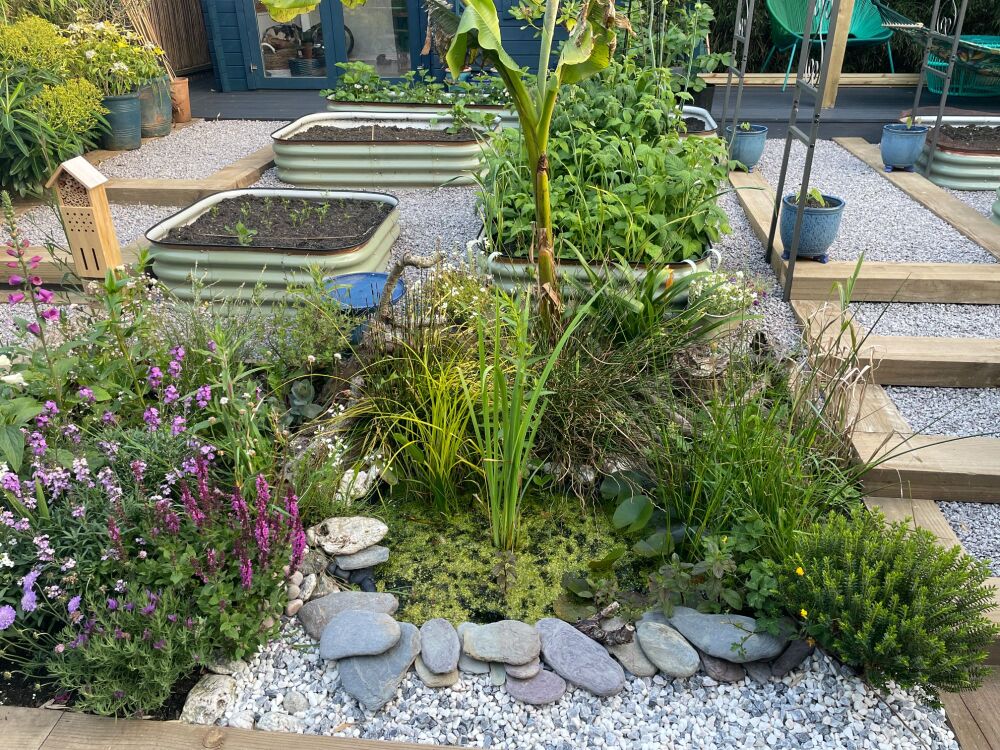
In our garden we encourage wildlife for our vegetable patches and for nature in general, we have bee houses or "bee hotels" dotted around.
Why I prioritise certain things over other
When budget is tight you can't always go fully organic across the board, so it helps to know where it matters most. Coffee is one I feel strongly about - coffee crops are among the most heavily treated with pesticides of any food product, and I'd rather pay a bit more for organic than not. Same with olive oil, which we use every day. Oil is concentrated, and if the olives have been sprayed you're concentrating whatever's on them too.
For fruit and vegetables, things with thin or edible skin tend to carry more residue than those you peel - so strawberries, apples, spinach, peppers and grapes are worth prioritising for organic. Avocados, onions and anything with a tough outer layer are generally considered lower risk if you need to make compromises.
Organic on a budget
I know organic is more expensive and not everyone can stretch to it. We're on more of a budget than usual ourselves right now, but it stays on the priority list because I genuinely don't trust what large-scale pesticide use is doing - to the environment, to soil, to insects, and honestly probably to us too, whatever the current official line is.
A few things that help keep costs down: buying organic versions of the things you eat most often rather than trying to overhaul everything at once, and using a veg box scheme. We've been getting a Riverford box for about five years now. The quality is genuinely better than supermarket organic, and what I really appreciate is that Riverford supports real organic farming - outdoor, soil-grown, the full thing - rather than produce that's technically organic but grown in a commercial glasshouse setting. If you haven't tried them, I have a referral code for £15 off your first Riverford box.
Growing your own is the other obvious route if you have any outdoor space. Even a few pots of tomatoes or herbs on a windowsill means you know exactly what has and hasn't gone on them.
You don't have to do it perfectly to make it worthwhile. Buying some organic is better than buying none, and every purchase is a small vote for a different way of farming.