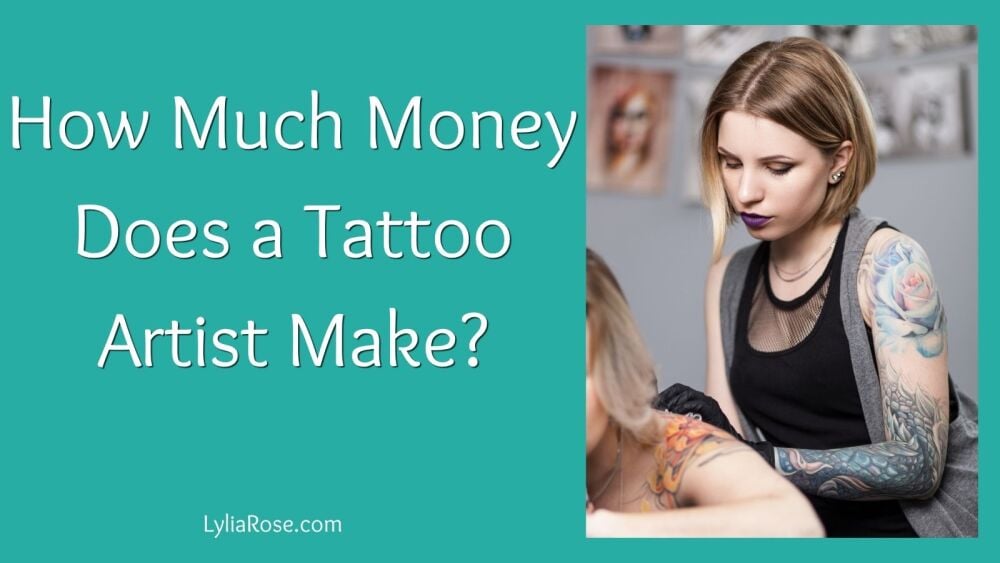
How Much Money Does a Tattoo Artist Make?
Posted on
With the growing popularity of tattoos, many people who are good at art might seriously consider becoming a tattoo artist. But, the main question on most people's minds is how much money can a tattoo artist earn?
We reveal how much money a tattoo artist can make in the UK, what the highest paid tattoo artist in the world earns and ways to maximise your income as a tattooist.
How much money does a tattoo artist make?
Tattoo artists in the UK can make between £24k and £60k a year. The average tattoo salary UK is currently about £47k per year; that’s about £22.60 per hour for a 40-hour working week.
Celebrity tattoo artists can charge as much as £350 per hour for their work. The potential when you reach this status level is a 6-figure annual salary!
A tattoo artist's salary will depend on several different factors, including location, reputation, experience and specialisation. We’ll cover the variables in more detail, the highest paid tattoo artist and tips to maximise your earnings in this article.
Factors that affect how much money a tattoo artist can make
According to Indeed, the average salary for a tattoo artist in the UK, as of 27th April 2026, is £47,577. This figure was based on 68 salaries reported across the country. However, the amounts reported varied wildly from £24,000 per year for a tattoo artist in Ashton-under-Lyne to £58,629 for a tattoo artist in Leeds. So why such fluctuations in pay?
As mentioned above, different factors can affect how much money a tattooer can earn. Most notably, experience is the main factor. There will be a vast salary difference, just like in any other employment, between a tattoo apprentice and an experienced tattoo artist with decades of high-quality work in their portfolio and clients to boot.
Another factor that will affect earning potential is their employment status. Is the artist an employee, self-employed or are they also a tattoo studio owner?
Self-employed artists need somewhere to work, and if they can’t afford their premises, they will likely rent a chair, room or section of a studio from the owner. When renting a space, an artist can expect to split their fee 50/50 with the tattoo shop.
A shared ownership studio might also be an option for many artists. Pooling money with friends or business partners can help to pay for commercial space and equipment. This does, however, mean that a proportion of the artist's profits needs to go towards the business overhead costs.
How much do most tattoo artists charge per hour?
The standard fees around most of the UK are around £80-£100 per hour, except for London and many of the southern counties, which can charge around £150 per hour.
Some artists may have a minimum charge, even if the tattoo takes less than one hour.
The amount a tattoo artist can charge will vary depending on location, but also on expertise. A newly qualified tattoo artist (qualified in the eyes of the studio they work in) won’t be able to charge as much as someone who has perfected their skill and has been tattooing for several years.
Also, a renowned reputation for high-quality tattoos or a distinct art style can increase the charge. Many people are willing to pay more to get inked by a popular tattoo artist or by one whose work is the exact style they desire.
Tattoo artist salary breakdown: per hour, day, week and month
One of the most searched questions about tattoo artist earnings is how the money actually breaks down across different time periods. Here's a rough guide based on current UK averages.
Most tattoo artists in the UK charge somewhere between £50 and £150 per hour, depending on location, experience and style. Based on a mid-range rate of around £80 per hour and a typical full day of around five billable hours (accounting for set-up, breaks and admin), here's what the numbers can look like:
- Per hour: £50 to £150, with most artists outside London sitting around £70-£100
- Per day: roughly £250 to £500 on a busy day of back-to-back appointments
- Per week: around £1,000 to £2,000 for a full working week, though this varies hugely
- Per month: approximately £2,500 to £5,000 for an established artist with a steady client base
- Per year: most experienced UK tattoo artists can make between £30,000 and £60,000, with top earners well beyond that
It's worth noting that most tattoo artists are self-employed, which means their take-home pay after tax, studio rent and equipment costs will be lower than the headline hourly rate suggests. A busy week on paper can look very different once the overheads are factored in.
I've had lots of tattoos done, and the most recent were by two very experienced, talented artists in Cornwall in 2025, and the difference in their rates was striking - one charged £50 per hour and the other £90 per hour. Both were brilliant. It's a reminder that even within the same region, rates can vary significantly based on personal pricing choices, not just skill level.
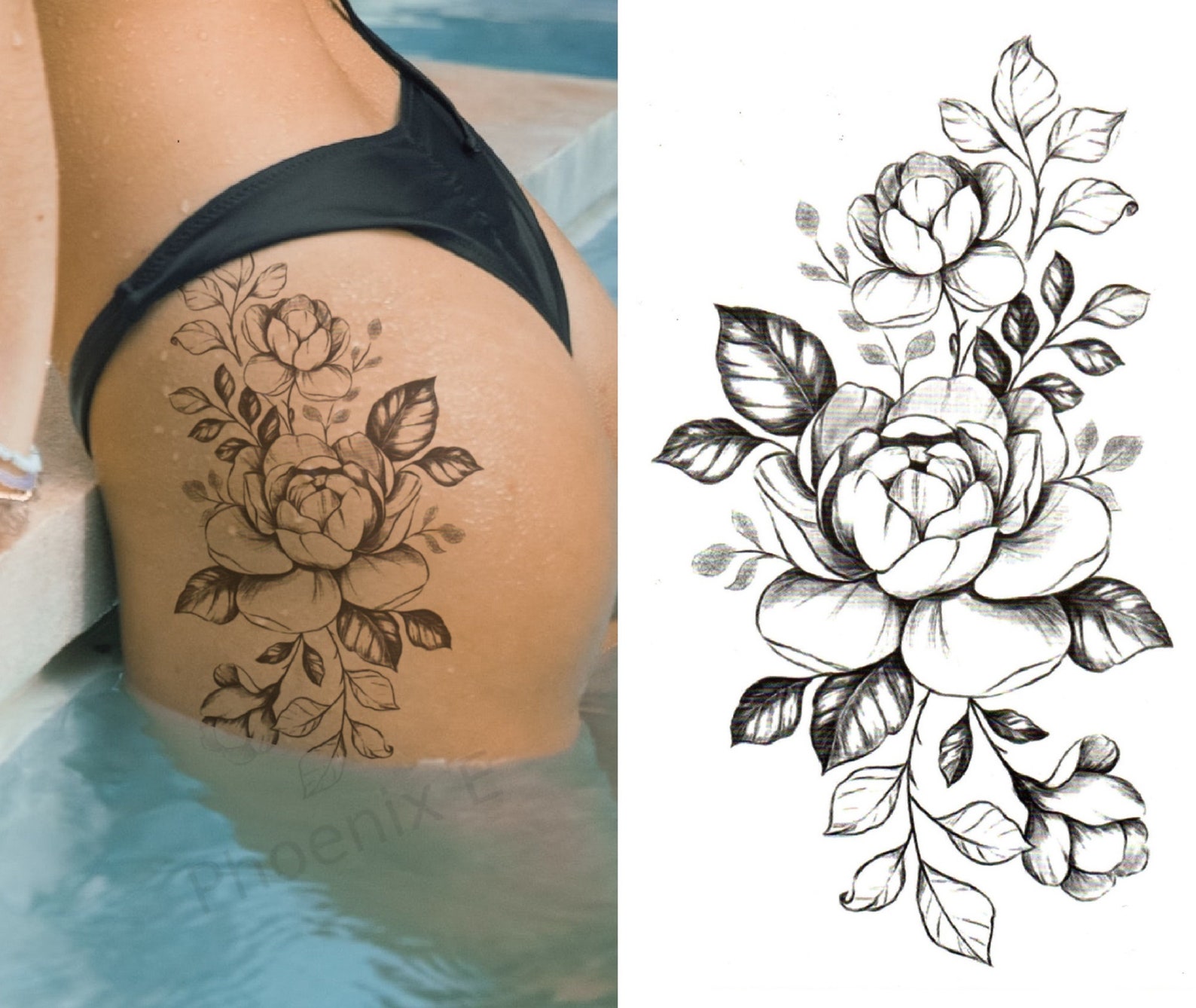
Temporary Tattoo Large Rose Flower Sketch
Tattoo artist salary by location UK
Location plays a big role in how much a tattoo artist can earn in the UK. London tends to command the highest rates, but it doesn’t always mean artists take home more once higher living and studio costs are factored in.
Estimates from platforms like Glassdoor and SalaryExpert suggest tattoo artists in London earn somewhere in the region of £30,000 to £35,000 per year on average, with some higher earners reaching £70,000 or more.
But here’s where it gets a bit misleading.
Most tattoo artists aren’t salaried employees. They’re self-employed or work on a percentage split with a studio. That means income can vary massively depending on bookings, reputation, and expenses, rather than a fixed annual salary.
And in London, those expenses add up quickly. Studio rent, chair fees, commission splits, and general living costs can take a significant chunk out of earnings.
Outside London, rates are usually lower, but so are the overheads. Cities like Manchester, Bristol and Leeds tend to sit somewhere in the middle, offering a balance between strong demand and more manageable costs. Meanwhile, more rural areas, including places like Cornwall, often have lower average hourly rates.
But tourism can completely change that picture.
Places like Newquay are a good example. Despite being a smaller coastal town, Newquay has a high number of tattoo studios and experienced artists, largely driven by steady tourist demand. Many visitors choose to get tattooed while they’re on holiday, and some even travel there specifically to book in with well-known local artists.
That kind of demand means artists in tourist hotspots can often charge very competitive rates, sometimes matching or exceeding prices you’d expect in larger cities.
As a rough guide, typical UK tattoo pricing looks like this:
- London: £120 to £200 per hour is common, with top artists charging more
- Major cities (Manchester, Bristol, Leeds): £80 to £120 per hour
- Smaller cities and towns: £60 to £100 per hour
- Rural areas: £50 to £90 per hour, though skilled specialists can exceed this
These are general ranges, not fixed rules. Pricing depends heavily on experience, style, demand, and reputation.
And honestly, that last part matters more than anything else.
Once an artist builds a strong portfolio and a loyal client base, location becomes less important. Plenty of artists outside London charge London-level rates because their work is in demand. People are often willing to travel, or join waiting lists, for the right artist.
So while location can shape your starting point, it doesn’t define your earning potential long term. Reputation, consistency, and skill will always carry more weight.
Who is the highest-paid tattoo artist?
According to numerous online sources, Scott Campbell is the highest-paid tattoo artist right now, charging $1000 per hour, which he revealed in an interview with Page Six.
Scott tattoos many celebrities and famous people and proves you can even get rich from this passion if you get in with the stars!
Starting out as a tattoo artist - What to expect in terms of earnings
$1000 per hour might be the salary of dreams, but it’s very unusual for tattooers to make anywhere close to this amount. You should also be prepared for some hard slog in the first few years with minimal earnings as you learn the ropes.
If you’re thinking of getting into the business, then there are a few things you should be aware of. Most artists are likely to start their careers as an apprentice, working for someone else whilst earning a very low income, if anything at all. This generally lasts for about three years. There can be high competition for apprenticeships, so make sure you have a good portfolio to get your foot in the door.
And before you think you’ll be handed a tattoo gun and inking people right away, it could be at least one year before you are allowed to tattoo your first client. Before this, you’ll be shadowing the tattoo artists, learning important health and safety information, practising your art (most likely in your own time), assisting with admin duties such as booking appointments and taking payment, and housekeeping.
Even when you have completed your apprenticeship and you find employment, you should expect to start on a low wage.
Tattoo apprenticeship salary UK
If you're just starting out, it's important to go in with realistic expectations. Most entry-level tattoo artists with one to three years of experience can expect to earn around £25,000 on average, but during the apprenticeship itself, earnings are often much lower - sometimes nothing at all, as you'll need to practice on willing (and brave) volunteers!
Once you complete your apprenticeship and start taking clients, most beginner tattoo artists start around the £20,000 to £25,000 mark. It's not a get-rich-quick career - but for those with genuine artistic talent and the patience to put the time in, the earning potential further down the line makes it worthwhile.
It’s important to think about how you will earn a living while completing your apprenticeship. If you are still living at home with your parents, then this can be a massive help. If not, then you’ll likely be working two jobs to pay your way.
A few things that can help during an apprenticeship:
- Have savings or a second income - working part-time alongside your apprenticeship is common and sensible
- Build your portfolio constantly - the stronger your pre-apprenticeship portfolio, the better your chances of landing a paid position rather than an unpaid one
- Be selective about studios - a well-known studio with experienced artists is worth more in the long run than a quick start somewhere less established
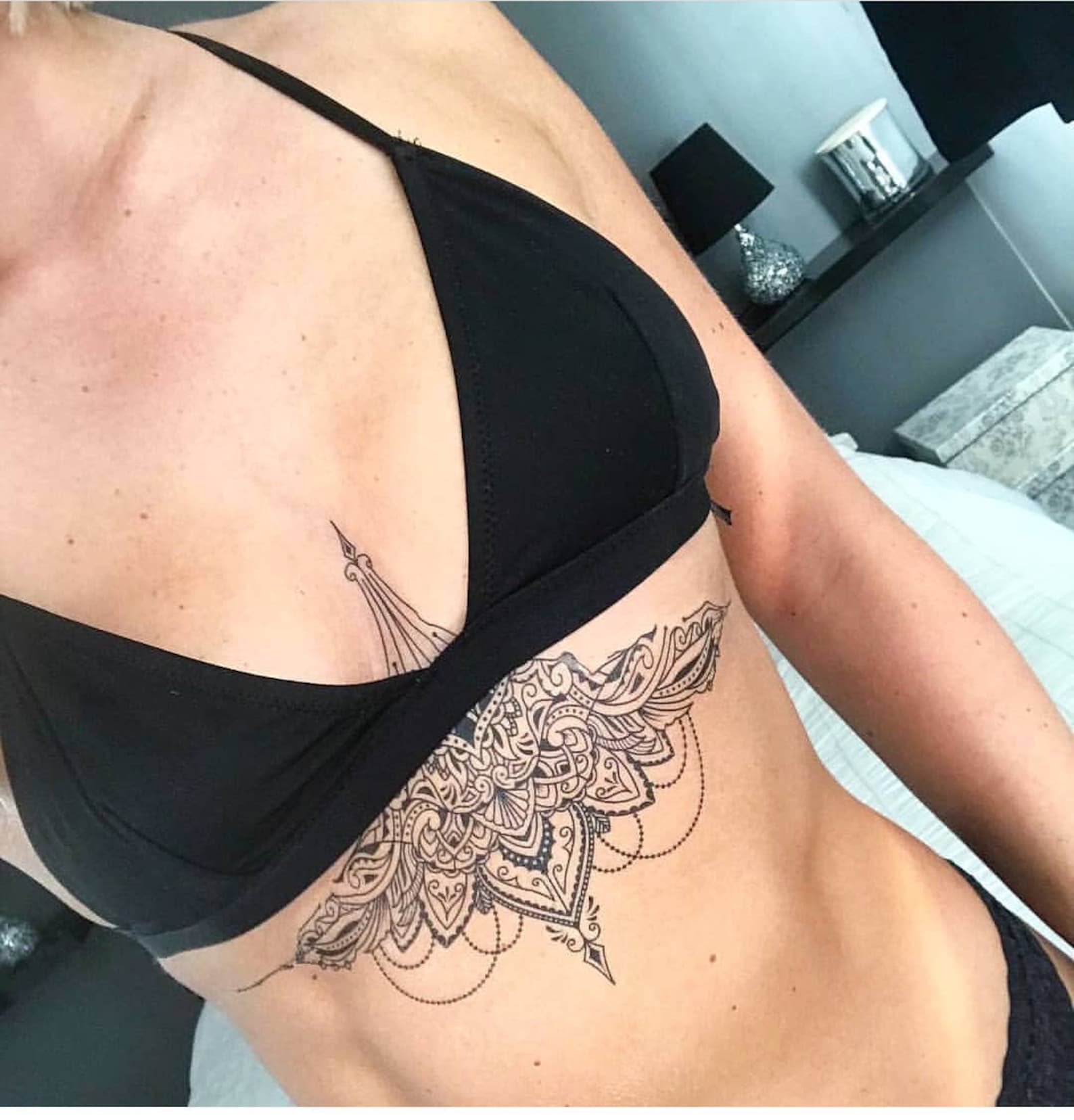
Sternum Phoenix Temporary Tattoo
How to make more money as a tattoo artist?
Tattoo artists can make a lot of money, but it takes a lot of hard work, dedication and skill. However, there are some tips to help you stand out from the crowd and maximise your earnings.
-
Pick a style and be unique - aim to be a specialist in your chosen theme and pick a style to become renowned for. For example, perhaps you could be the artist everyone knows and recognises as the best tribal tattoo artist, or maybe feminine dainty tattoos with fine lines, or maybe watercolour tattoos could be your theme. If you stick to a general theme, then your work will be recognised more easily, and if you’re good, you’ll be in demand for your style of tattoo and unique technique.
-
Have a prominent social media presence - share your designs and completed work on visual-based platforms such as Instagram targetting the tattoo community and your locality.
-
Get celebrity and influencer endorsements – offer free tattoos to socialite celebrities and influencers with a lot of followers in exchange for promotion. Offering a free tattoo to the right person who is influential means they’ll be a walking billboard for your service, forevermore!
-
Practice your skill every day to improve - Even when you’re not tattooing someone, you should be drawing and designing every chance you get. The better your art and creative ideas are, the more appealing you’ll be when looking for employment and to your customers.
-
Follow up - make sure you follow up with potential customers who are interested in your services after your initial conversation. Whether it’s email, direct message on social media, text or whatever way they first contacted, if they haven’t responded to your initial reply, then politely follow up to check if they need any more information. They could be busy and missed your first reply, or it may have even gone to spam. Also, follow up with your customers after they’ve had a tattoo. Make sure the aftercare is going as expected and provide a friendly, caring after-sales service so they know you care about their new tattoo. This will help encourage repeat business and word-of-mouth recommendations.
-
Don’t undersell yourself - respect the hard work you’ve put in to hone your skill to get to the level you are at today. It can be tempting to compete with all the other nearby tattoo artists, but if you are the cheapest, then you may even turn away the more lucrative customers who won’t perceive your work as the best quality. Your pricing should reflect your skill level and the time and effort taken to be a great tattoo artist. There are also factors to consider, such as the time taken to create a unique design for a customer. This could be several hours of your time that the customer doesn’t see. Explain to customers the value they are getting from your pricing, and they will be happy to pay.
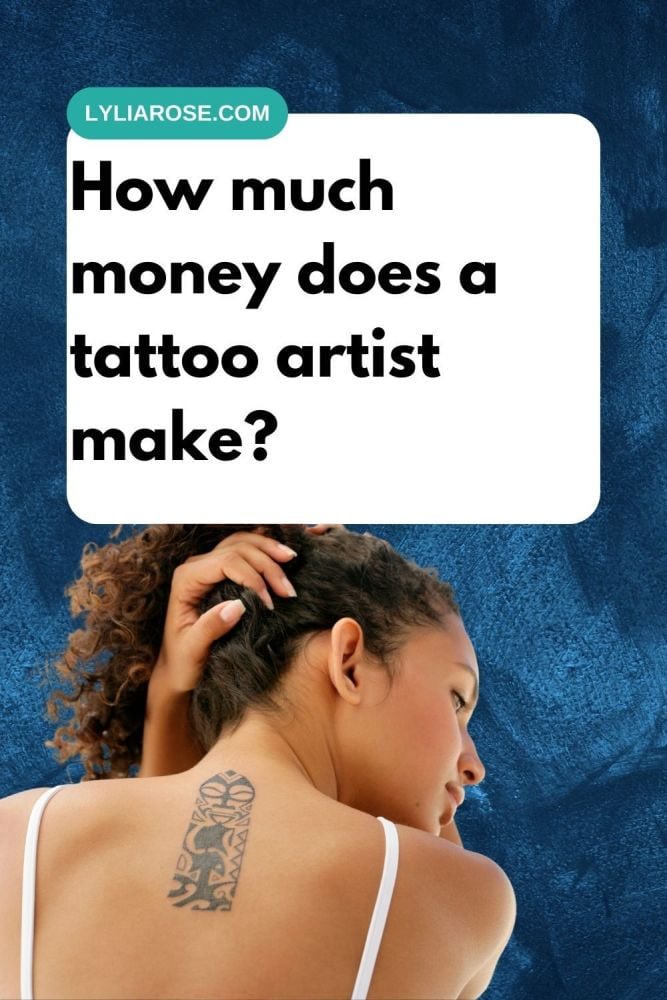
Final word on how much money a tattoo artist makes
Tattoo artists can earn a lot of money. They can make over £100 per hour, or even more if they are skilled and become a sought-after artist. There is no set salary for a tattoo artist, and it depends on the type of work they do, their location and other factors.
Starting out often requires an apprenticeship with low earnings at first, but for those with artistry skills who are dedicated to the cause, this can be a very lucrative career choice.
Want to make some extra cash?
Find loads of ways to make extra money at home on my blog, as well as my favourite side hustle in my matched betting blog.
To get started, you can make money online with 60 methods I’ve tried and tested.
Just need £1000? Here’s how to make £1000 in one month at home.
Short on time? These methods can make money in one hour.
Subscribe to our newsletter for the best free money offers, money-making and money-saving tips we discover!