
How To Shop More Ethically and Sustainably for Clothing
Posted on
In a previous blog post I looked at ways to get rid of unwanted clothing without sending them to landfill. I was shocked after reading 300,000 tonnes of clothing went to landfill in 2016 when they all could have been repurposed, reused or recycled! So now you know what to do when your clothes are worn out or unwanted, but perhaps you are wondering how to shop more sustainably or ethically for your clothes in the first place.
This is something that is quite new to me too and naturally feels like the next chapter for me to explore in my healthy living and living more sustainably journey.
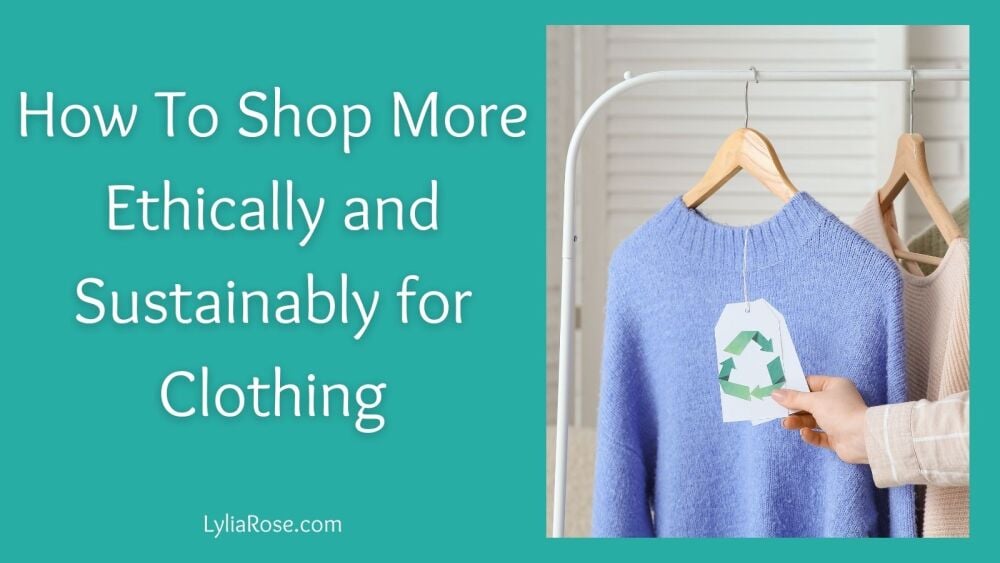
How to buy sustainable clothing and ethical fashion
Over the past few years I have changed all beauty and household products to natural where possible, changed all the food that we can to organic, become more conscious about plastic use and the amount of landfill waste in our home and made several other changes which you can read in my blog post 15 eco-friendly things I do on a regular basis.
In this blog post I am going to explore some of the ways you can shop more consciously for your clothing.
Fair Wear Foundation
The Fair Wear Foundation is a non-profit organisation that seeks to improve working conditions in 11 countries in Asia, Europe and Africa. They keep track of the changes the companies implement to ensure workplace conditions are improved.
They help to ensure there is no child labour, a fair wage is paid, conditions are safe and work hours are reasonable as well as setting many other fair working standards.
The Fair Wear Foundation currently have 80 companies signed up which represent over 120 brands. Simply go to the FWF website and search the brands that are signed up. You can check out their reports and be sure that these brands are working with the FWF to improve labour conditions where the clothes are produced.
Many people assume ethical fashion is only for niche or expensive brands, but organisations such as the Fair Wear Foundation show that change is possible at scale. When larger brands commit to improving working conditions, the impact can be significant across supply chains.
Taking a few minutes to research a company before purchasing can feel like extra effort, but it quickly becomes second nature. Over time, you begin to recognise which brands are transparent and which are vague about their production practices. That awareness alone changes shopping habits for the better.
It is also reassuring to know that organisations such as the Fair Wear Foundation carry out independent checks rather than relying solely on what brands report themselves. This external accountability helps ensure improvements are genuine and ongoing rather than temporary measures put in place for publicity.
If ethical working conditions are important to you, supporting brands that participate in initiatives like this sends a clear message that consumers care about how clothing is made, not just how it looks. Over time, this kind of demand encourages more companies to adopt fair labour practices.
Organic cotton
Chemical pesticides and fertilisers are so destructive to the planet, wildlife, our water supply and our own health. We are a living experiment for the routine use of these chemicals and I’m sure all their devastating health consequences are not yet fully known.
We know we are suffering from soil erosion which is having an impact on food production and its mineral content is reducing.
The best way to make a stand against chemical farming is to choose organic instead.
Yes, you can choose to eat organic food, but you can also choose to buy organic clothing which is made from organic cotton. This is much kinder to the environment and in my experience the clothes are of a higher standard, softer and last longer.
Conventional cotton production is known for its heavy water usage and reliance on synthetic pesticides. Organic cotton farming avoids these chemicals and often uses crop rotation methods that help maintain healthier soil.
When shopping for organic cotton clothing, look for recognised certifications that confirm the fabric has been grown and processed responsibly. Not all items labelled “natural” or “eco” are genuinely organic, so it’s worth checking the details.
Choosing organic cotton basics such as t-shirts, underwear and sleepwear is a simple way to begin building a more sustainable wardrobe without completely overhauling everything at once.
Organic cotton clothing can be especially beneficial for babies, children and anyone with sensitive skin, as it is less likely to contain residues from harsh chemicals. Many people also find that organic fabrics feel softer and more breathable, which makes them comfortable for everyday wear.
Although organic items may sometimes cost slightly more upfront, their durability often means they last longer, making them good value in the long run. Investing in quality basics that you will wear repeatedly can reduce the need for frequent replacements.
Sustainable brands
Buying sustainably doesn’t always mean giving up the brands you love. Even many popular High Street brands have green, conscious and upcycled ranges.
You can still shop in some of the stores you love whilst making a more planet friendly choice.
Before shopping with a brand have a look in the footer of their website to see if they have any information on their sustainability efforts.
Just dig a little deeper before choosing a brand to make sure they are taking responsibility for their clothing production and to ensure their vision aligns with yours.
Just be sure to avoid trends when shopping with High Street stores that offer affordable prices, even from sustainable ranges, and make sure you pick items that will last for years. Opting for slightly more costly sustainable brands with higher quality clothing is cost-effective for your wardrobe and better for the planet.
It can also help to look beyond marketing slogans and search for detailed sustainability reports. Brands that genuinely prioritise ethical fashion often publish annual updates on their progress, goals and challenges.
If a company openly discusses areas they are still working to improve, that honesty can be a positive sign. Sustainability is an ongoing process rather than a finished achievement, and transparency shows commitment.
It is worth remembering that no brand is perfect. Even companies with strong ethical commitments are often still working towards improvements in areas such as packaging, transport or material sourcing. Looking for brands that demonstrate progress rather than perfection can help you make more balanced choices.
Customer reviews can also provide insight into quality and longevity. Clothing that holds its shape, colour and comfort after repeated washing is far more sustainable than items that need replacing after only a few wears.
Buy second hand
So many people give away perfectly wearable items to charity stores or even sell them on eBay. Perhaps the fit was not right for them, they’ve not worn as much as intended or they have worn the item but no longer require it.
Either way, there are plenty of second hand clothing items for you to snap up!
Buying second hand is cheaper than buying a brand new item, plus it prevents the planet damaging production of a new item for you.
If you buy from charity shops you are also supporting a worthwhile cause. It’s also exciting to rummage through rails in thrift stores as you’ll never know what you’ll find.
Online resale platforms have also made buying second hand clothing easier than ever. Searching for pre-loved designer items or quality basics online can often lead to finding higher-end pieces at a fraction of their original cost.
Second hand shopping also helps reduce demand for fast fashion production, which in turn reduces textile waste and the environmental strain caused by constant new manufacturing.
Second hand shopping can also be a great way to experiment with styles you might not normally buy at full price. Because the financial risk is lower, you may feel more confident trying something different while still keeping waste to a minimum.
Many pre-loved items have already stood the test of time, which can be a good indicator of quality. If a garment still looks good after years of wear, it is likely to continue lasting well in your wardrobe too.
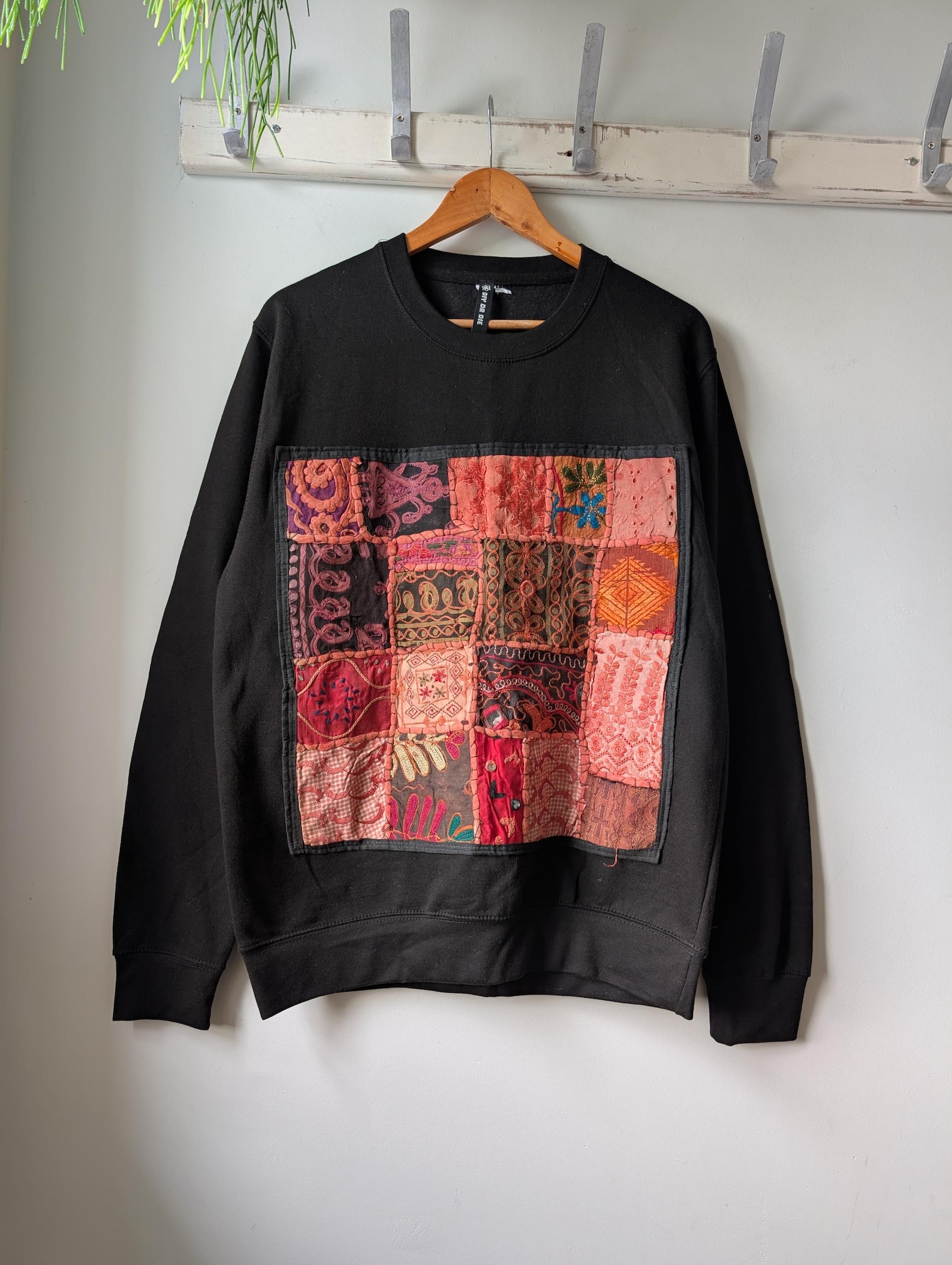
Recycling Reworked Grey Pullover Sweatshirt with Handmade Indian Patchwork Applique
Opt for a capsule wardrobe
Far too many of us have far too many clothes in the first place.
There’s no need for this over consumption and throwaway fashion culture that we have been used to.
I’ve been working on reducing my capsule wardrobe to around 50 pieces of clothing only. Count your clothes and you may be surprised at how many you own in total.
By starting a capsule wardrobe you will automatically become more conscious when clothes shopping as you’ll need to ensure the piece can mix’n’match with several of your other clothing items, as well as ensuring it’s a staple piece that you’ll wear time and time again.
I saw an article once say to follow the rule of 30 – if you won’t wear it at least 30 times then don’t buy it. I’d like to disagree.
I think 30 is still too little and you should go for a rule of 100 at least! I have several items of clothing I have had for several years and work them on a weekly basis, if not a few times per week. This is what we should all be striving for to drastically reduce the unnecessary clothing production, pollution and waste.
We need to get it out of our heads that we can’t be seen in the same outfit more than once and this is something the celebrity world needs to adopt and encourage.
Hopefully we can all start to make a change in the way clothing is produced and instead choose recycled, organic and repurposed clothing as our first choice.
A capsule wardrobe also encourages intentional purchases. When you limit the number of pieces you own, you quickly realise how much easier it becomes to get dressed each day. Everything works together, and nothing sits unworn at the back of the wardrobe.
It can feel challenging at first to reduce your clothing collection, especially if you are used to having lots of choice. But many people find it freeing rather than restrictive. Fewer items often mean higher quality, better fit and greater satisfaction with what you wear.
A smaller wardrobe can also make packing for holidays or short trips much simpler. When most of your clothing coordinates well together, you can create multiple outfits from just a few pieces, reducing both stress and decision fatigue.
This approach encourages a shift away from impulse buying towards thoughtful selection. Over time, you may find you develop a clearer personal style based on what you genuinely enjoy wearing rather than what happens to be trending.
Choose natural and low-impact fabrics
Organic cotton is a great starting point, but there are many other fabrics that are considered more sustainable and kinder to both the environment and your skin. Materials such as linen, hemp, bamboo (from responsible sources) and TENCEL™ lyocell are often produced using fewer chemicals and less water than conventional fabrics.
Linen and hemp in particular are extremely durable, breathable and long-lasting, which makes them ideal for everyday clothing that you want to keep for years. Natural fibres also tend to biodegrade more easily at the end of their life compared to synthetic fabrics such as polyester or acrylic.
Linen is especially popular for warm-weather clothing because it is breathable and durable, and timeless items such as men’s linen suits or women's linen summer dresses can be worn for many years with proper care, making them a far more sustainable choice than trend-led formalwear.
If you are trying to build a more eco-friendly wardrobe, checking fabric labels is just as important as checking brand ethics. Choosing natural fabrics for sensitive skin can also reduce irritation caused by harsh chemical treatments used in conventional textile production.
Natural fabrics often regulate temperature better than synthetic materials, helping you stay cooler in warm weather and more comfortable in colder conditions. This can reduce the need for specialised seasonal clothing, allowing pieces to be worn across multiple seasons.
Durability is another important factor. Well-made garments from natural fibres can often withstand years of regular use, making them a practical choice as well as an environmentally conscious one.
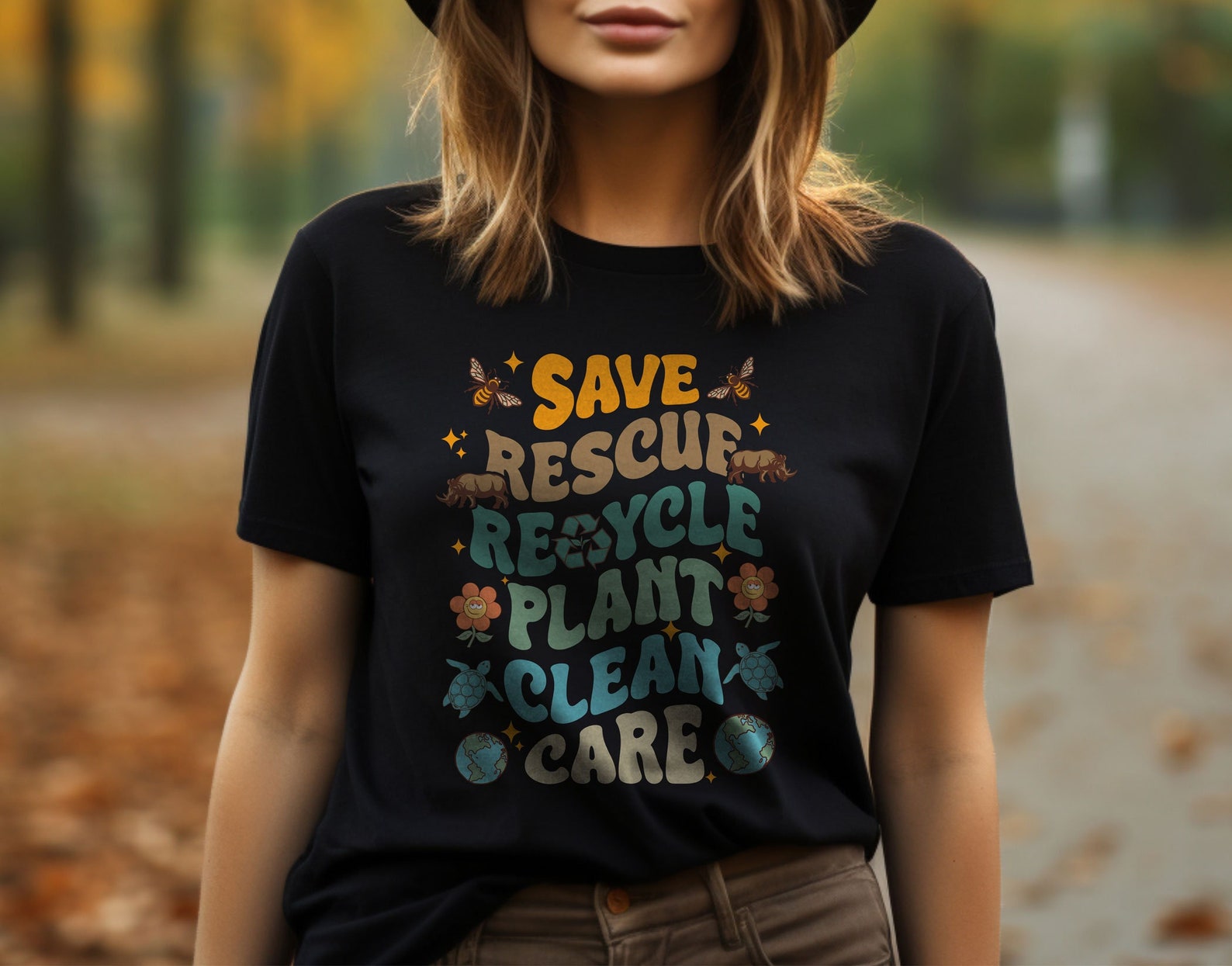
Earth Day Shirts -Save Rescue Recycle Plant Clean Care
Avoid synthetic fast fashion fabrics
Fast fashion clothing is often made from petroleum-based fibres such as polyester, nylon and elastane. These fabrics are inexpensive to produce, which is why they are so common in low-cost clothing ranges, but they do come with environmental downsides.
Synthetic fabrics shed tiny plastic fibres when washed, which can end up in waterways and oceans. They also tend to trap odours and wear out faster than many natural fibres, meaning items may need replacing more often.
This doesn’t mean you must avoid all synthetic fabrics completely, as some performance clothing requires them, but being mindful of how much you buy can make a difference. Choosing higher quality pieces that contain blended fabrics designed to last longer is a more sustainable approach than repeatedly buying very cheap items that quickly lose shape or comfort.
Another consideration is how synthetic fabrics behave at the end of their life. Because they are derived from plastics, they can take many decades to break down in landfill. Choosing garments designed to last longer helps reduce the number of items that reach this stage prematurely.
If you do purchase synthetic items, caring for them properly can extend their lifespan and reduce the frequency of replacement. Washing less often and following care instructions carefully can make a noticeable difference.
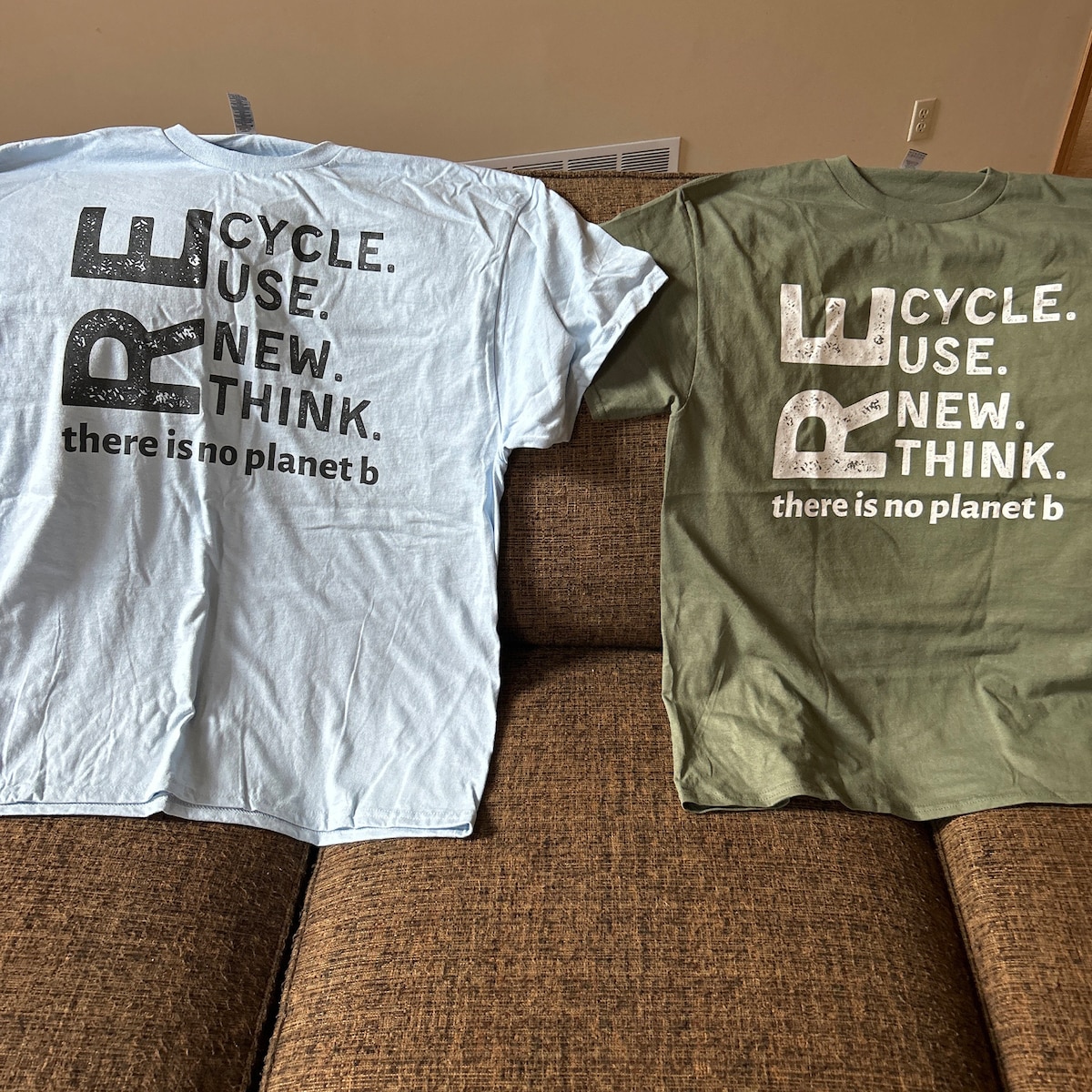
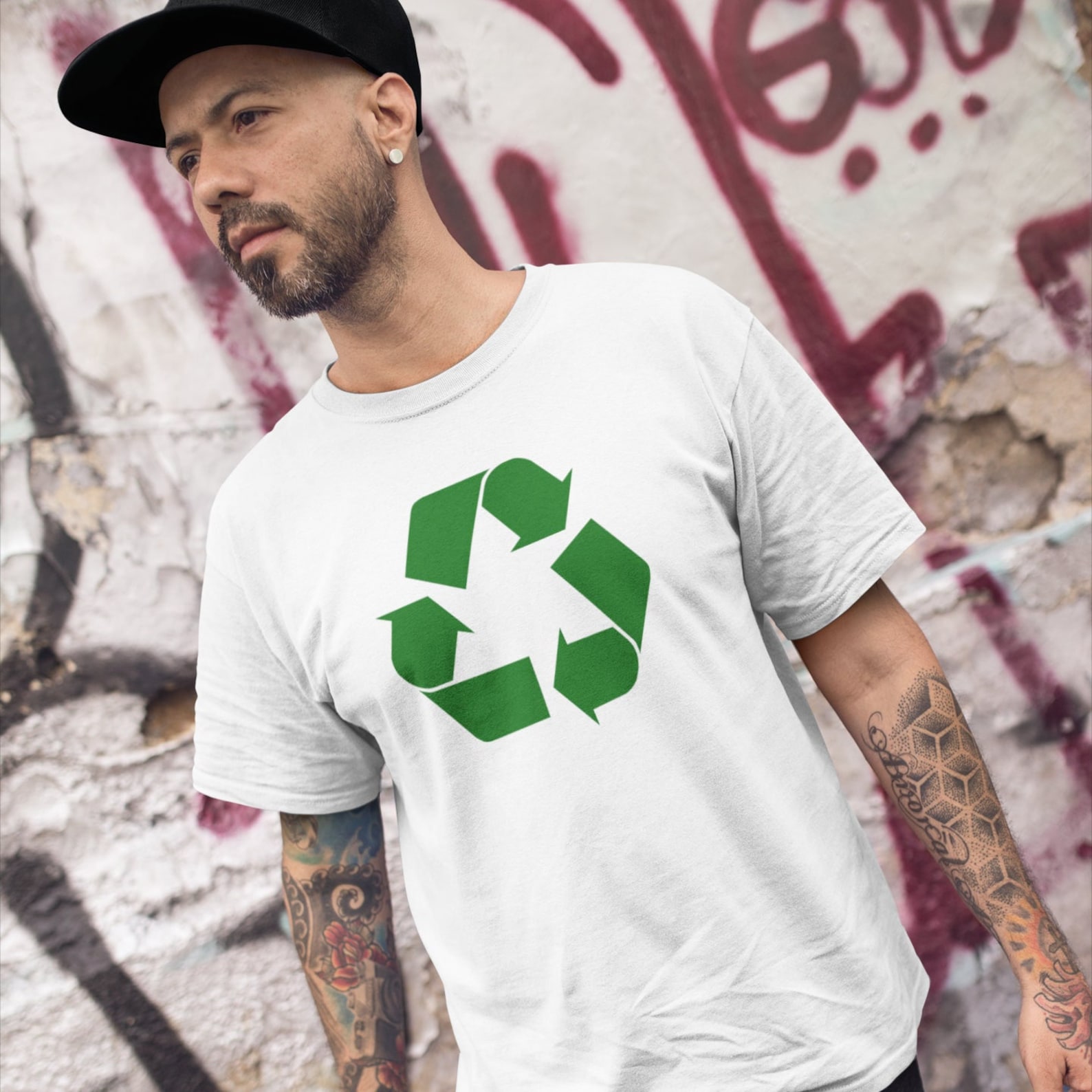
Recycle Reuse Renew Rethink T-Shirt, There Is No Planet B, Environmental Shirt Gifts
Care for your clothes so they last longer
Buying sustainably is only part of the journey. Looking after the clothes you already own is just as important. Proper clothing care can significantly extend the life of garments and reduce the need to replace them prematurely.
Simple habits such as washing at lower temperatures, air drying instead of tumble drying, and repairing small issues before they worsen can make a surprising difference. Learning basic mending skills like sewing on a button or fixing a small tear can save many items from being discarded.
You may also find that washing clothes less frequently helps preserve colour, fabric strength and fit. Many items only need refreshing rather than a full wash after every wear.
Storing clothing correctly is equally important. Using proper hangers, folding heavier items to prevent stretching and keeping garments clean before storage can help maintain their shape and condition. Seasonal clothing stored carefully is far more likely to remain wearable year after year.
Refreshing clothes by airing them outdoors or using natural fabric sprays can also reduce the need for frequent washing, preserving both fabric quality and colour.
Rent or borrow for special occasions
Occasion wear is one of the biggest sources of rarely worn clothing. Dresses, suits and formal outfits are often purchased for a single event and then left in wardrobes indefinitely.
Clothing rental services and borrowing from friends or family can be a practical solution. This allows you to enjoy something different for special occasions without contributing to unnecessary production or spending money on items you may never wear again.
This approach is becoming increasingly popular for weddings, parties and holiday outfits, especially as more people recognise that photographs capture the memory, not the ownership of the clothing.
Sharing clothing within families or friendship groups can also strengthen a sense of community while reducing waste. Many people enjoy passing items along once they have finished with them, knowing they will continue to be appreciated rather than forgotten in a wardrobe.
For rapidly growing children, borrowing or swapping formal outfits can be particularly practical, as items may only fit for a short period.
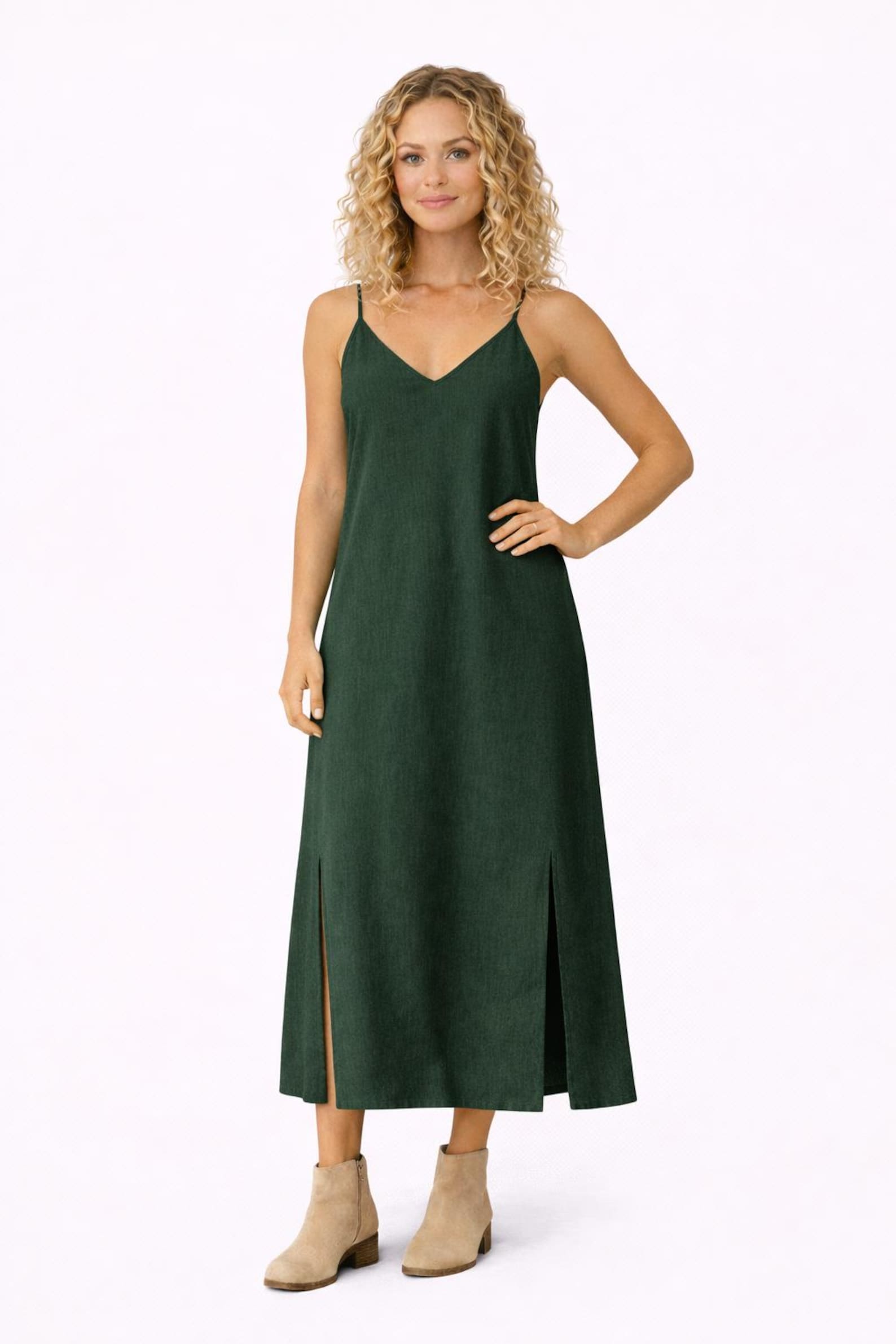
Support small ethical businesses
Large brands are not the only option when shopping for clothes. Many small independent businesses prioritise ethical manufacturing, fair wages and sustainable materials as part of their core values rather than as a marketing add-on.
Shopping from independent ethical clothing brands can also mean receiving higher quality items made in smaller batches, often with greater attention to detail. Supporting these businesses helps encourage a shift away from mass production towards more responsible practices.
You may discover unique pieces that you would never find on the High Street, making your wardrobe feel more personal as well as more sustainable.
Independent makers often produce clothing in limited quantities, which can help reduce overproduction and unsold stock. Smaller production runs also allow for more careful quality control and attention to detail.
Building relationships with smaller brands can feel more personal too, as you are supporting real people and their livelihoods rather than large anonymous corporations.
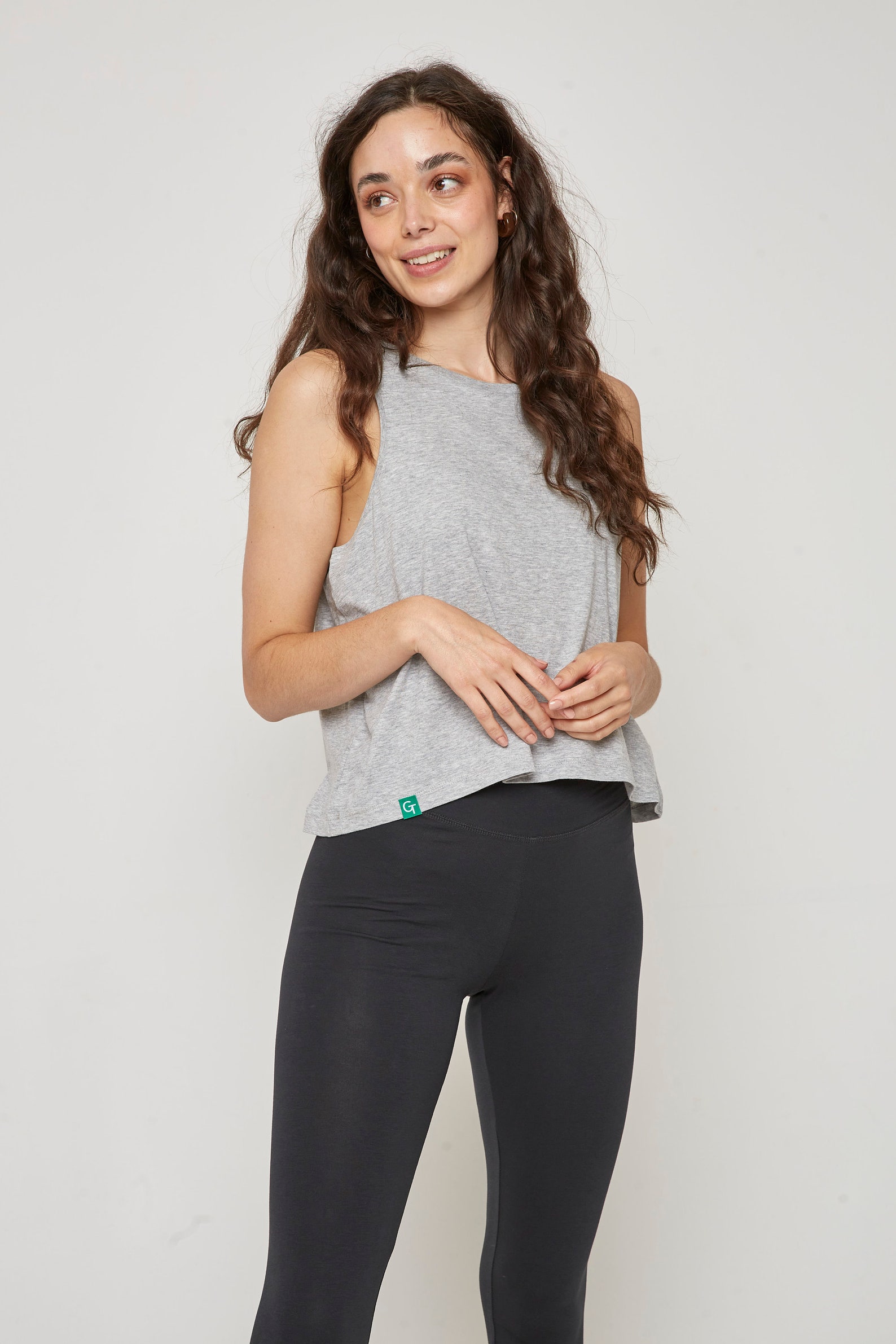
Black Organic Cotton Leggings: High Waisted Slim Fit
Learn to recognise greenwashing
As sustainability becomes more popular, some companies use environmental language without making meaningful changes to their production methods. This practice is often referred to as greenwashing.
Phrases such as “eco”, “natural” or “conscious collection” do not always indicate genuine sustainability. Looking for specific information about materials, supply chains, certifications or manufacturing processes can help you determine whether a brand’s claims are credible.
Transparency is usually a good sign. Brands that openly share details about where and how their clothing is made tend to be more trustworthy than those that rely on vague statements.
Looking for recognised certifications or independent verification can help cut through marketing claims. While not all trustworthy brands have formal certifications, those that do have usually undergone detailed assessments of their practices.
Being an informed consumer does not mean you need to research every purchase extensively, but developing a general awareness of common sustainability terms can make it easier to spot misleading claims.
Think long term before buying
Perhaps the most powerful question to ask before purchasing any item is simply, “Will I still want to wear this in a year or two?”
Choosing timeless styles rather than short-lived trends makes it easier to build a wardrobe that remains useful season after season. Neutral colours, classic cuts and versatile pieces can be combined in many different ways, reducing the need for constant new purchases.
It can also help to pause before buying and consider whether you truly need the item or whether it is an impulse purchase. Even waiting 24 hours can prevent unnecessary spending and clutter.
Another useful habit is considering how many existing items you already own that serve a similar purpose. Duplicate purchases often happen because we forget what we already have or are drawn in by novelty rather than need.
Taking a moment to visualise how a new item will fit into your current wardrobe can prevent unnecessary accumulation and ensure each purchase earns its place.
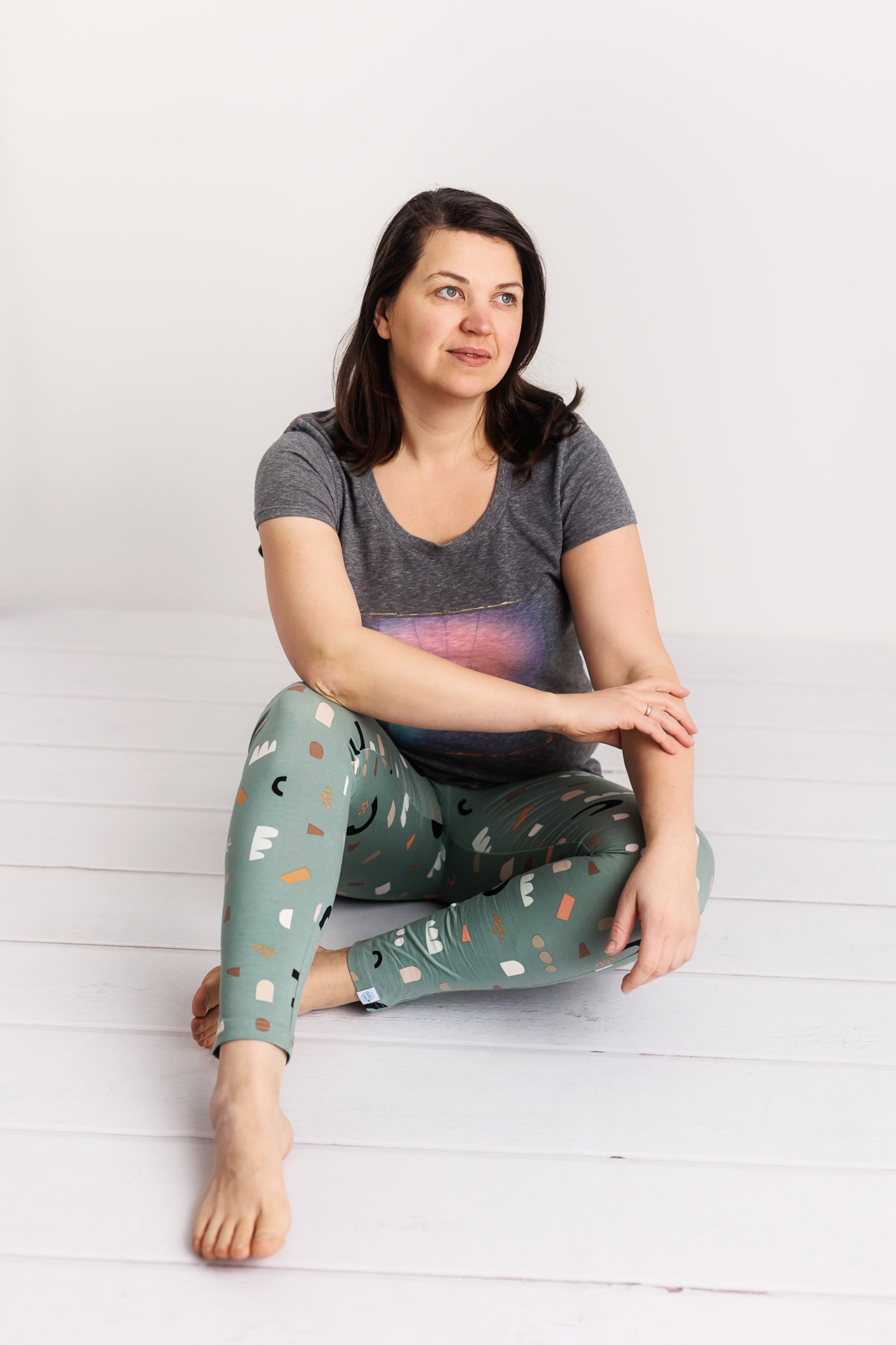
Organic Cotton Women's Leggings: Printed Yoga Pants
Recycle worn-out textiles responsibly
Even with the best care, clothing eventually reaches the end of its life. When items are no longer wearable or repairable, textile recycling programmes can ensure materials are repurposed rather than sent to landfill.
Many local authorities, charity shops and retailers now accept worn textiles for recycling. Some stores even offer take-back schemes where old garments are turned into insulation, cleaning cloths or new fibres.
This final step helps close the loop, ensuring that clothing continues to serve a purpose even after it can no longer be worn.
Even items that seem too damaged to donate may still be useful for recycling schemes. Textiles can be broken down and repurposed into a wide range of products, helping reduce waste and conserve resources.
Checking local recycling options ensures your unwanted items are handled appropriately rather than ending up in general waste.
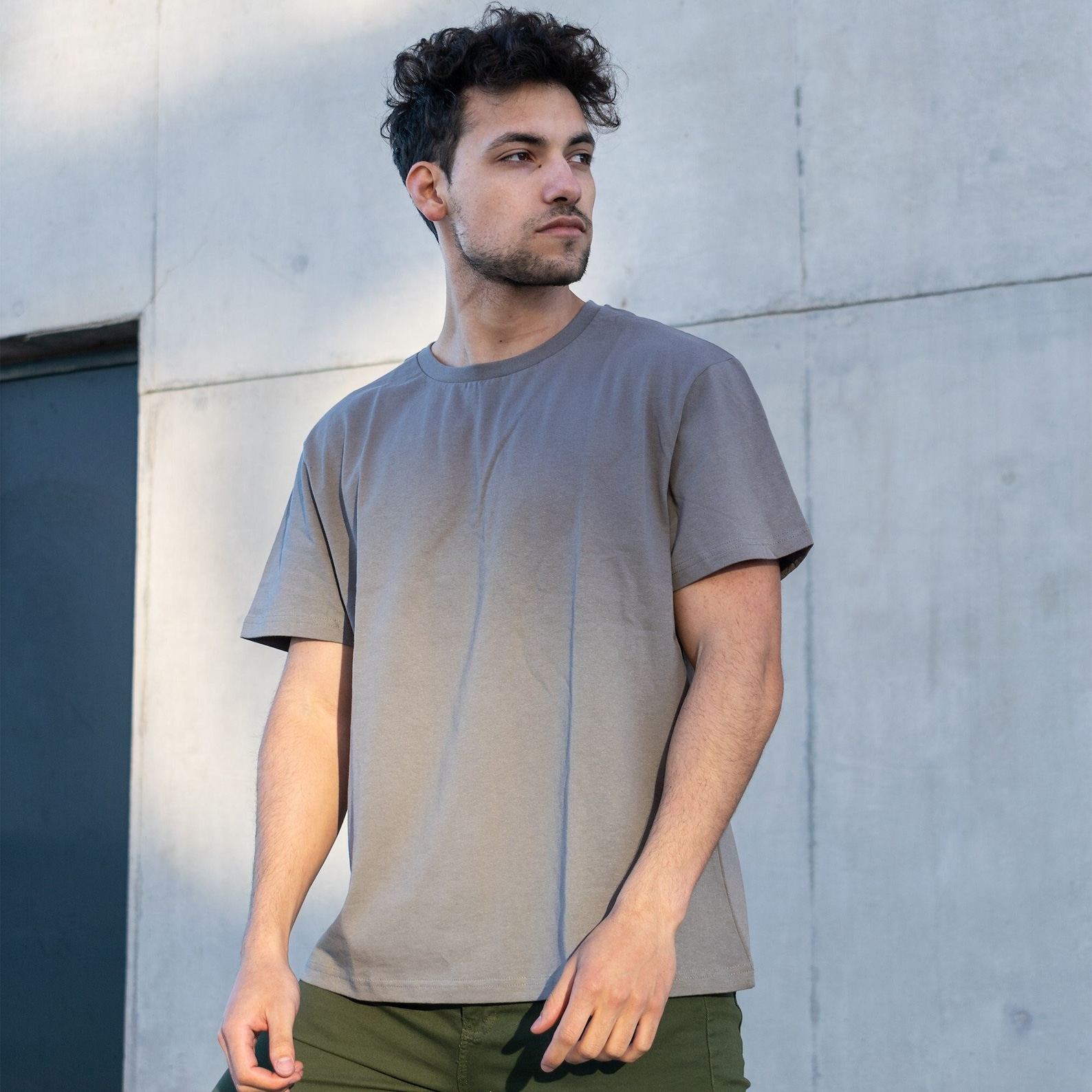
Gray Hemp T-Shirt, Crew, Soft, Comfortable, Eco-Friendly
Making small changes over time
Switching to more sustainable fashion does not have to happen overnight. Small, consistent changes can gradually transform your wardrobe and shopping habits without feeling overwhelming.
Whether it is choosing one organic item instead of a conventional one, buying second hand more often, or simply being more mindful about how frequently you shop, every step contributes to reducing waste and encouraging better industry practices.
Like many aspects of healthy living, progress is more important than perfection. The goal is not to have a flawless eco-wardrobe but to make more conscious choices whenever possible.
Celebrating small successes can help maintain motivation. Each conscious purchase or decision to repair rather than replace contributes to a larger positive impact over time.
As your awareness grows, you may find that sustainable choices become second nature rather than something that requires deliberate effort.