
How to Create a Healthy Home Office
Posted on
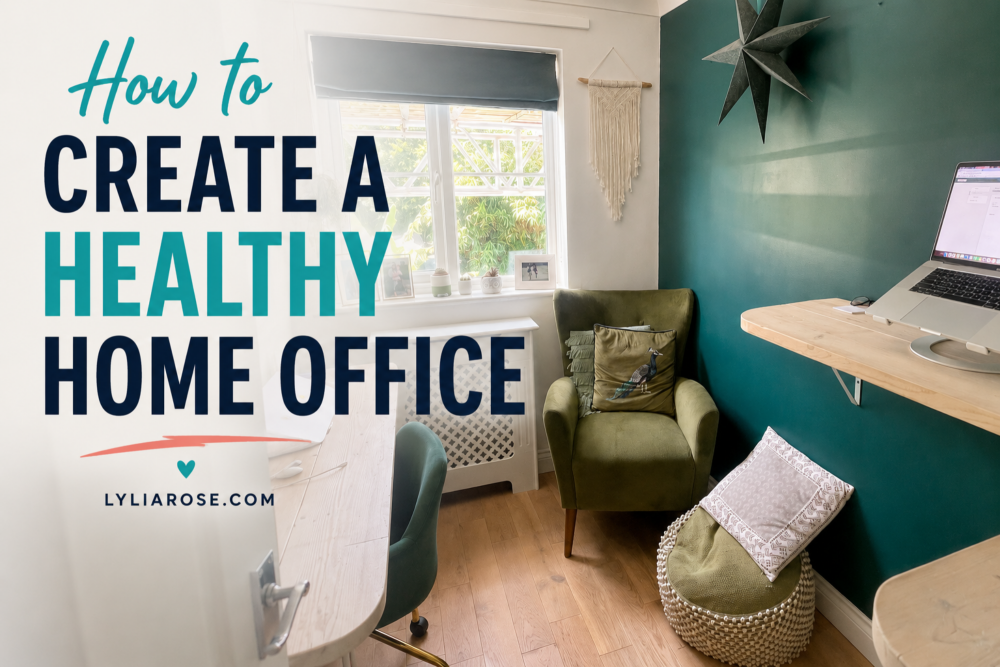
A home office is only as good as it makes you feel. You can have the fastest laptop and the best broadband, but if the space drains you, hurts your back or makes it hard to focus, your work will suffer. I've been working from home since 2012 and full-time since 2017 so I've gradually built a setup that genuinely works for my body, my mental health and my productivity.
Here's what I've learned about creating a healthy home office - not a generic checklist, but what actually makes a difference in practice.
Start the day before you sit down
My single best habit for staying healthy while working from home has nothing to do with the office itself. Before I start work every morning, I go for a 10,000-step walk. Sometimes that's running errands - posting eBay parcels, returning library books, picking things up from the supermarket - but often it's simply walking for calm, fresh air and exercise before the working day begins.
Getting outside before you sit down changes everything. By the time I come back and start work, I've already moved my body, cleared my head and had some daylight. It makes the hours at the desk feel far more sustainable.

Have options for how you sit - and stand
One of the best things about my current office is that I'm not stuck in one position all day. On one side of the room I have a corner stand-up desk, and on the other I have a sit-down desk with a chair, plus a large armchair for reading, emails or anything that doesn't require me to be rigidly upright. I try to use the standing desk for at least half the day.
Having the option to move between sitting at a desk, standing and sitting in a chair makes a real physical difference over the course of a long working day. If you're setting up a home office, a standing desk is worth considering even if you don't use it all the time. For the sit-down desk, I use an ergonomic cushion pad on the chair when I need extra lower back support - a much cheaper solution than buying an entirely new chair.
I've also been looking at anti-fatigue floor pads for standing desks, which cushion your feet when standing for extended periods. And I previously had a kneeling ergonomic chair which I'd recommend if you have the space - I'd like to get another one now that my office is a dedicated room rather than shared with a guest bed.
I also used to have a walking treadmill desk, which is exactly what it sounds like - a slow treadmill under a standing desk so you can walk gently while you work. Again, it didn't fit when the room was shared, but now I have dedicated space it's something I'd seriously consider again. The idea of getting steps in while answering emails is genuinely appealing.
A good range of modern office furniture can help you find the right combination of desk and seating for your space and budget.
Raise your screens
This is one of the simplest and most effective changes you can make. I use laptop stands to raise my screens to a more comfortable height, so I'm not hunched over or looking too far down for hours at a time. Hunching over a low screen is one of the fastest routes to neck and shoulder pain when working from home. A laptop stand (or a separate monitor at the right height) combined with a wireless keyboard and mouse makes an enormous difference.
Keep it decluttered and calm
A cluttered workspace is a mentally noisy workspace. I keep my office as clear and decluttered as possible - everything has a home, nothing unnecessary lives on the desk, and the space feels calm to be in. This isn't just aesthetics; it genuinely affects how easy it is to focus.
I also keep the door open most of the day. It creates better airflow and makes the room feel bigger and less enclosed - both of which matter when you're spending a lot of hours in the same space.

Bring in natural scents
This might sound like a small thing but it makes a real difference to how a workspace feels. I have a soy candle with essential oils in my office, and I also use a diffuser with organic essential oils. Certain scents - lavender, eucalyptus, citrus - are genuinely calming or energising depending on what you need.
It's a very simple and inexpensive way to make a workspace feel more pleasant to spend time in.
Add plants
I have four houseplants in my office and a larger one just outside the door. Plants improve air quality, reduce stress and make a space feel more alive and welcoming. They don't need to be expensive or high-maintenance - even a couple of small succulents or a trailing pothos on a shelf make a visible difference to how the room feels.
Make sure you have good natural light
If at all possible, position your desk near a window. Natural light is far better for your eyes and energy levels than working under artificial light all day. I also make sure I have a good desk lamp for darker days or evening work.

Move during the day
Even with a standing desk, it's easy to go hours without properly moving. I try to take short breaks away from the desk - making a drink, going to get something from another room, standing up and stretching. If you tend to lose track of time when working, a simple timer or app reminder to move every hour can help. Knowing when to switch off when self-employed is just as important as staying productive during the day.
If you're interested in the wider impact of sitting and remote work on your body, it's worth reading about what remote work does to your back and how to counter it.
Think about temperature and ventilation
A stuffy, overheated room makes it much harder to stay focused and energetic. Good ventilation matters - keep a window cracked if possible, especially in warmer months. In winter, make sure you're warm enough without being overheated. Temperature affects concentration more than most people realise.
