
The Strong Link Between Employee Wellness and Productivity
Posted on
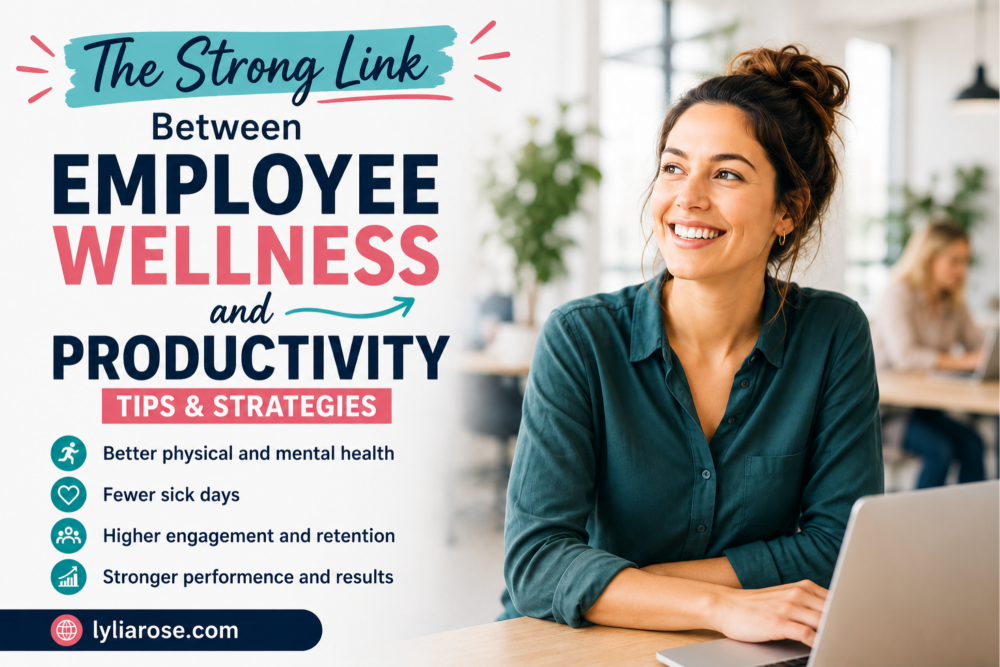
A healthy and happy workforce is one of the most valuable assets a business can have. Yet it's also one of the most overlooked. Companies invest heavily in recruitment, training, and technology - but often underestimate how much employee wellness shapes the results they're chasing.
The link between employee wellness and productivity isn't just intuitive. It shows up consistently in the data. Here's what the research says and what businesses can actually do about it.
What is the link between employee wellness and productivity?
Your business might have recruited strong candidates, trained them thoroughly, and put together a competitive benefits package. But if your employees aren't physically and mentally well, they won't be operating at their best - and neither will your business.
Employee wellness affects concentration, energy levels, decision-making, creativity, and resilience. When people are struggling physically or mentally, their output suffers - even when they're showing up and technically working. Presenteeism (being at work but not fully functioning) can be as costly to a business as absenteeism, and it's far harder to spot.
Supporting employee wellness isn't a nice-to-have. It's a direct investment in the performance of your team. Providing access to support for mental health challenges is one practical way to support employees who may be struggling, helping them recover and return to full productivity more quickly.
Physical health affects cognitive performance
Research published in the Journal of Occupational and Environmental Medicine found a strong relationship between physical health and cognitive function. Employees who exercise regularly tend to think more clearly, concentrate better, and manage stress more effectively than those who don't.
A study published by The Lancet found that a sedentary lifestyle carries greater health risks than smoking. Regular physical activity - even just one hour a day - can significantly reduce those risks. For employers, this means that initiatives encouraging movement and exercise aren't just wellness perks. They're a practical investment in sharper, more effective employees.
Well employees take fewer sick days
This is the most straightforward part of the equation. Healthier employees take less time off, which means more consistent output and fewer gaps in team capacity.
Research from Transport for London found that, compared to employees of a healthy weight, those who are obese take significantly more sick days annually - a figure that rises further for those who are severely obese. Broader research consistently shows that employees with unmanaged chronic health conditions, poor sleep, high stress, or untreated mental health difficulties take more sick leave.
Supporting wellness proactively - rather than managing absence reactively - makes financial sense as well as human sense.
Wellness programmes improve retention
Recruitment is expensive. Training is expensive. Losing a good employee and replacing them costs far more than investing in keeping them well and engaged.
Wellness programmes signal to employees that the organisation values them as people, not just as output. According to research cited in Forbes, 89% of workers at companies that support wellbeing initiatives are more likely to recommend their employer to others. That reputation as a great place to work has a direct impact on recruitment quality as well as retention.
You don't need an onsite gym to make a difference. Flexible working arrangements, mental health support, regular breaks, and access to counselling services all contribute to a culture of wellness without requiring a large budget.
Smoking and lifestyle habits affect productivity
Employees who smoke are twice as likely as non-smokers to take time off work, according to a survey of 25,000 health workers. Beyond absenteeism, smoking, poor nutrition, and disrupted sleep all affect energy levels, concentration, and mood - which in turn affect work quality and consistency.
Businesses can support healthier habits by promoting healthy eating in the workplace, offering discounted gym memberships or exercise classes, and creating an environment where taking breaks and moving during the day is encouraged rather than frowned upon.
How to promote employee wellness in your workplace
Understanding the link between wellness and productivity is one thing. Acting on it is another. Here are practical strategies that make a real difference.
Support mental health openly. Create a culture where mental health is discussed without stigma. Offer access to employee assistance programmes, signpost mental health resources, and train line managers to have supportive conversations. Building employee confidence is part of this - when employees feel psychologically safe, they perform better and take fewer sick days.
Invest in professional development. Employees who feel like they're growing and progressing are more engaged and more productive. Offer training, mentoring, and opportunities for advancement. Stagnation is a significant driver of disengagement, which has its own cost to productivity.
Show genuine appreciation. Regular, specific recognition of good work costs nothing and has a measurable impact on morale. Verbal thanks, written acknowledgement, celebrating milestones - these small consistent actions build a culture where people feel valued. Keeping employees motivated and happy is directly tied to how well they perform.
Encourage work-life balance. Burnout is the enemy of productivity. Flexible working arrangements, realistic workloads, and actively discouraging a culture of always-on availability all protect your employees' long-term capacity to perform. Employees who are rested and balanced are more focused and effective during working hours than those who are chronically overworked.
Foster a sense of community. Employees who feel connected to their colleagues and their workplace are more engaged and more resilient. Team activities, social events, and an inclusive culture where different backgrounds and perspectives are genuinely valued all contribute to a stronger, more collaborative team. Good collaboration in the workplace and good wellness are closely linked - each reinforces the other.
Empower employees to take ownership. Employee empowerment - giving people autonomy, responsibility, and trust - improves both wellbeing and performance. People who feel in control of their work experience less stress and deliver better results.
The business case is clear
Employee wellness isn't a soft metric. It affects absenteeism, presenteeism, retention, recruitment, productivity, and team culture. Businesses that treat wellness as a strategic priority - not an afterthought - build more resilient, higher-performing teams.
The investment doesn't have to be large to be meaningful. Consistent, genuine commitment to supporting your people is what makes the difference.