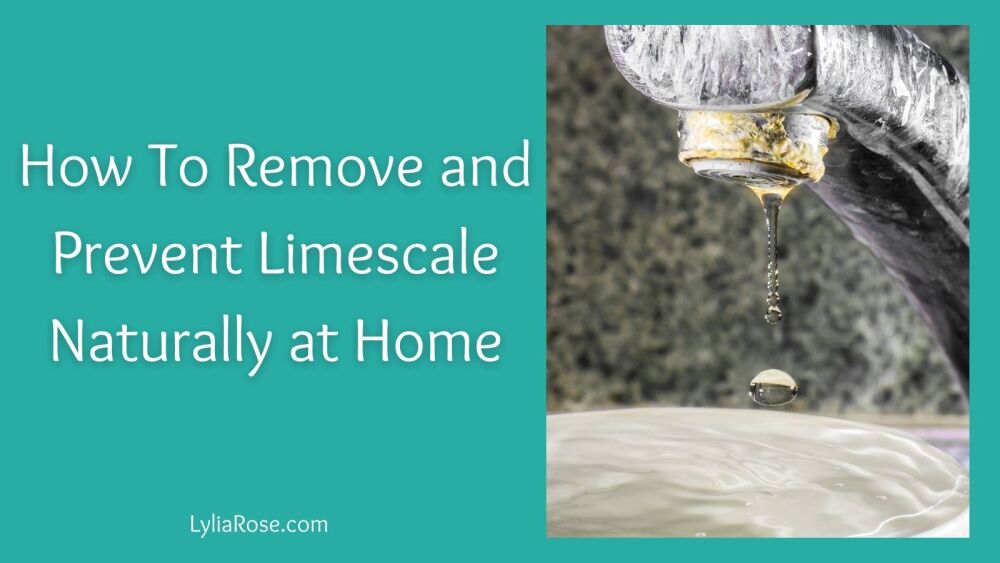
How To Remove + Prevent Limescale Naturally At Home
Posted on
Around 60% of homes in England and Wales deal with hard water every day, whether that’s filling kettles, washing clothes, or showering.
Hard water itself isn’t harmful, but the minerals it contains, mainly calcium and magnesium, are responsible for limescale. Over time, those minerals cling to surfaces, settle inside appliances, and quietly cause damage that often isn’t noticed until something stops working.
Not all areas of the UK are affected. Rainwater starts off soft, but as it moves through chalk and limestone underground, it picks up minerals and becomes hard. If you live in one of these areas, limescale buildup becomes part of daily life unless you stay on top of it.
Common signs include cloudy taps, chalky marks around sinks, streaky glassware, and kettle limescale that seems to come back no matter how often you descale. Soap that won’t lather properly and residue left behind in baths and sinks are also classic indicators.
If you’re unsure about your water hardness, your supplier can usually confirm it online.
We live in a hard water area and it’s relentless around taps and the kettle. We now distil our own drinking water at home, and when we tested this by buying a new kettle, it stayed completely spotless! Two years on, it still looks brand new with no limescale at all.
That alone shows how much damage hard water quietly causes.
Whether you’re new to hard water or have been battling it for years, learning how to remove limescale naturally and prevent it from building up can save money, time, and unnecessary replacements.
Why Limescale Build-Up Costs You Money
Limescale isn’t just a cosmetic issue.
When left untreated, it reduces the efficiency of appliances, damages heating elements, and shortens the lifespan of things you’ve already paid for. Kettles take longer to boil, washing machines work harder, taps clog, and showerheads lose pressure.
All of that increases energy use and wear and tear.
Replacing kettles, shower parts, or even sections of pipework because of limescale damage is far more expensive than regular, natural maintenance. Staying on top of limescale removal is one of those boring household jobs that quietly saves money long term and keeps household bills down.
How to Remove Limescale Naturally Using Simple Home Remedies
If you’re looking for a natural limescale remover, you don’t need expensive products or harsh chemicals. Most effective methods use ingredients many people already have at home.
Will Vinegar Dissolve Limescale?
Yes. Vinegar dissolves limescale effectively.
Limescale is alkaline, while vinegar is acidic. When they meet, the acid breaks down the mineral deposits, making vinegar one of the most effective natural ways to remove limescale.
White distilled vinegar is best, as it’s inexpensive and doesn’t stain surfaces.
Removing Limescale from Taps Naturally
To remove limescale from taps naturally:
-
soak a cloth or kitchen roll in white vinegar
-
wrap it around the affected area
-
leave for 30 to 60 minutes
-
wipe away and rinse thoroughly
For stubborn limescale, repeat the process or gently scrub with a soft brush. Drying the tap afterwards helps prevent new marks forming.
This method works just as well for limescale and dirt prevention when used regularly.
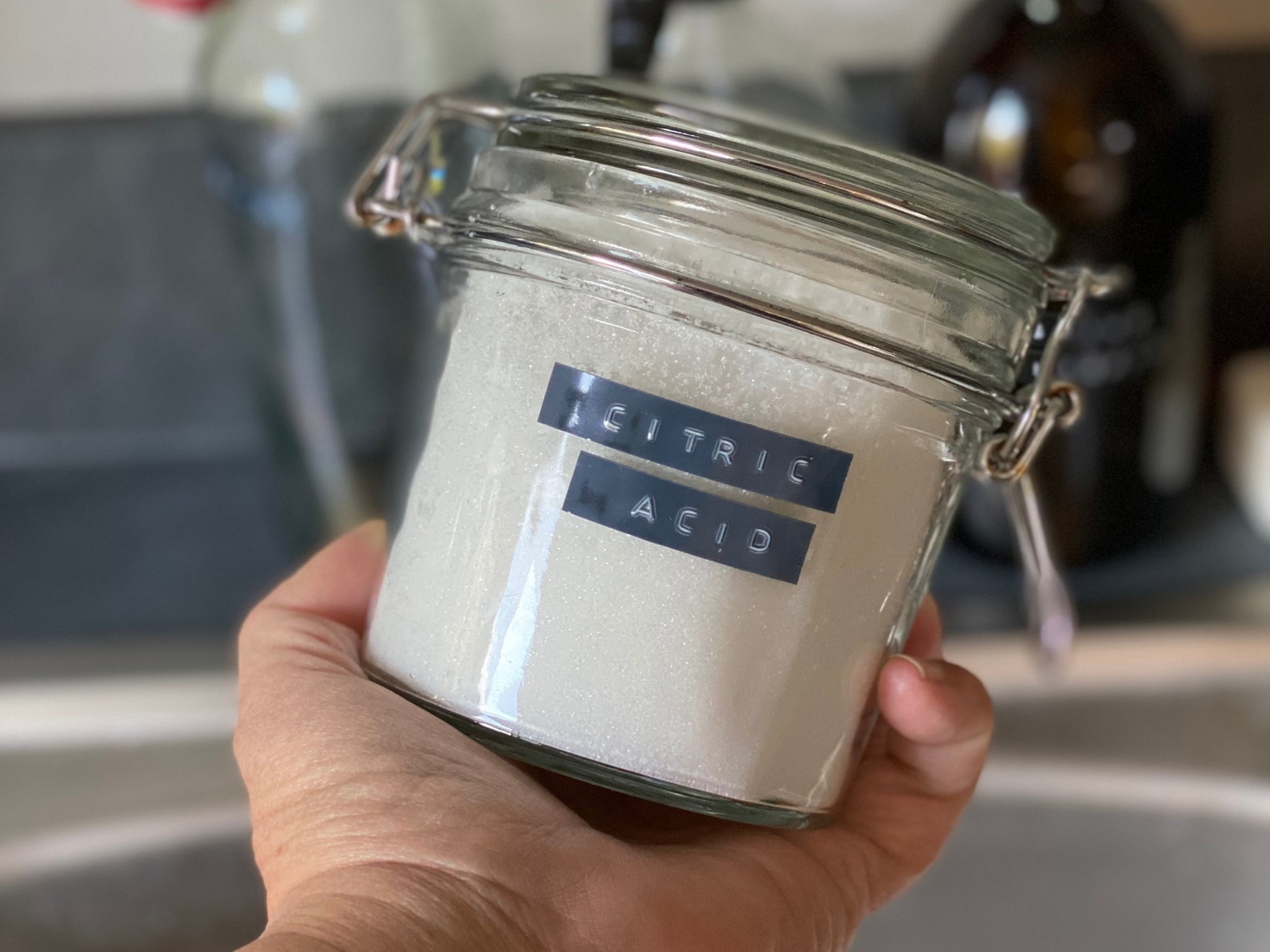
Citric Acid / Natural Limescale Remover
How to Remove Limescale in the Bathroom
Bathrooms are one of the hardest-hit areas.
Limescale builds up quickly around taps, plugholes, shower screens, and tiles. Lemon juice works well here as a natural limescale remover, especially on chrome.
Soak cotton wool or a cloth in lemon juice, press it onto the limescale, and leave it for an hour before wiping clean. It’s gentler than vinegar and leaves a fresher smell.
How to Remove Limescale from Showerheads
For detachable showerheads:
-
fill a bag or bowl with a vinegar and water mix
-
submerge the showerhead
-
leave for 30 to 40 minutes
-
rinse and wipe clean
This restores water flow and prevents internal blockages, which helps avoid needing replacements.
DIY Limescale Removal Guide Natural Cleaning Instant Download
How to Remove Limescale Naturally from Kettles
Kettles are one of the most common problem areas.
To remove limescale naturally from a kettle:
-
fill it with equal parts vinegar and water
-
boil the solution
-
leave it to sit for 30 minutes
-
empty and rinse thoroughly
-
boil fresh water once or twice before use
This is one of the best ways to get rid of limescale without chemicals.
If you want to prevent limescale in a kettle altogether, using filtered or distilled water dramatically reduces buildup and helps kettles last years longer.
Preventing Limescale Build-Up Before It Starts
Knowing how to prevent limescale is just as important as knowing how to remove it.
How to Prevent Limescale on Taps and Surfaces
Drying taps, sinks, and shower screens after use makes a bigger difference than most people realise. Limescale forms when water evaporates and leaves minerals behind.
Wiping surfaces down with a dry cloth reduces how often you need to clean and prevents stubborn buildup.
How to Prevent Limescale in the Bathroom
Regular light cleaning works better than occasional deep cleaning.
Using vinegar or lemon juice once a week prevents limescale from hardening. This avoids the need for aggressive scrubbing later, which can damage surfaces over time.
How to Prevent Limescale in Kettles
Prevent limescale in kettles by:
-
emptying them after use
-
avoiding letting water sit overnight
-
using filtered or distilled water
-
descaling lightly but regularly
This stops heavy buildup that damages heating elements.
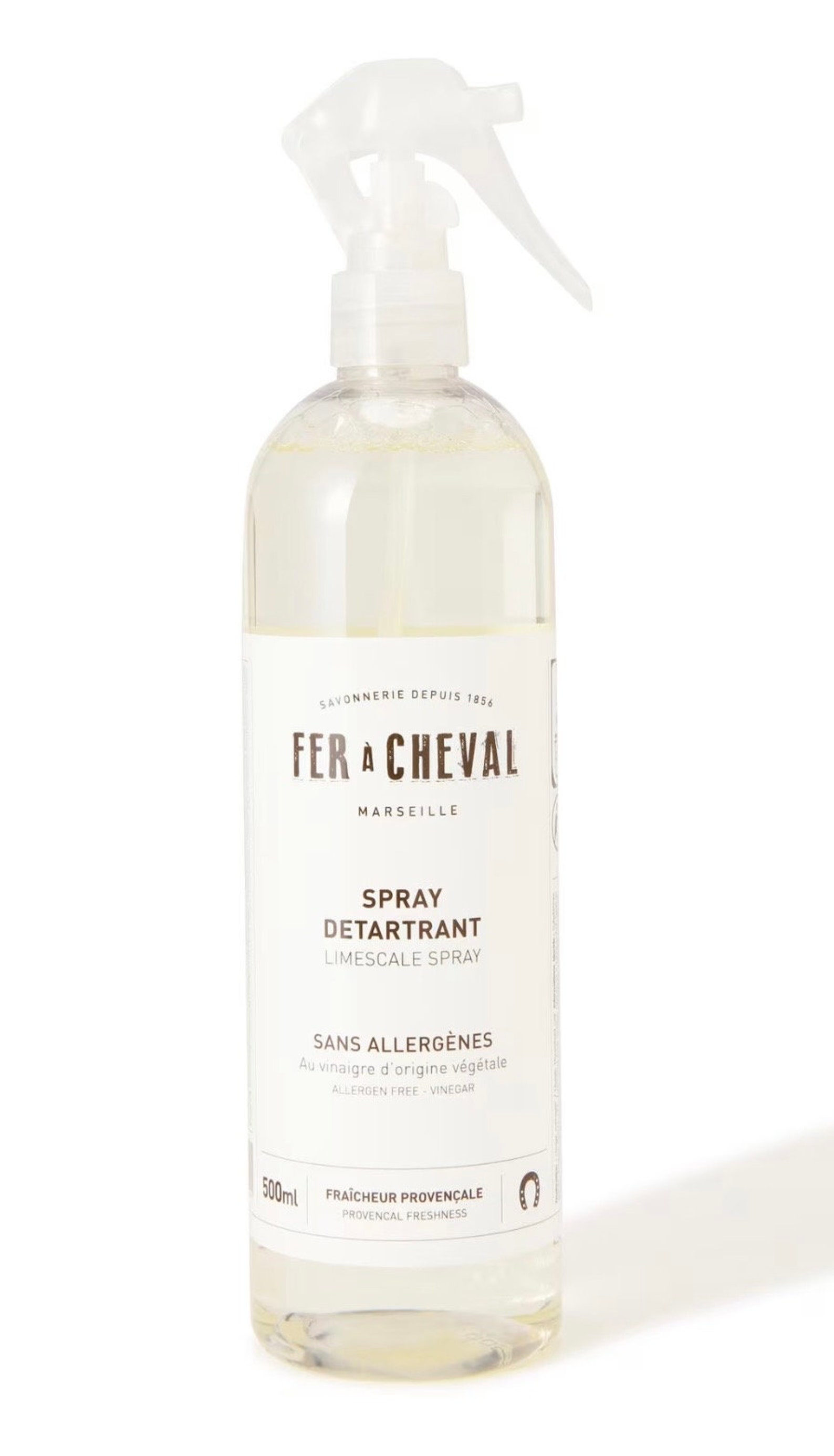
Household Limescale Spray 500ml
Limescale and Household Appliances
Limescale doesn’t just affect what you can see.
Inside washing machines, dishwashers, and pipes, mineral deposits reduce efficiency and increase strain. That leads to higher energy bills and shorter appliance lifespans.
Reducing limescale in water through regular maintenance saves money by keeping appliances running efficiently for longer.
Natural Limescale Removal for Glassware and Floors
Hard water leaves streaks on glassware and tiles that are frustrating but easy to fix naturally.
For floors and tiles, soak the area with vinegar, leave for five minutes, then scrub and rinse. Dry thoroughly to prevent marks returning.
For glassware, drying immediately after washing helps. An old trick is to hold glasses over steam, then buff dry with a lint-free cloth. The steam contains no minerals, so it helps remove residue.
Limescale and Laundry Problems
Hard water makes detergents less effective and causes mineral buildup in fabrics. Clothes can feel stiff, fade faster, and wear out sooner.
Using detergent designed for hard water helps, but preventing limescale in the washing machine itself is just as important. Regular natural descaling keeps machines working efficiently and avoids costly repairs.
Long-Term Solutions to Reduce Limescale
Some households choose water softening systems to reduce limescale before it reaches taps and appliances. These systems remove minerals from water and reduce cleaning needs throughout the home.
Personally, we use distilled water for drinking, cooking, and brewing tea, which has completely solved kettle limescale for us. That alone has saved money on replacements and keeps appliances in better condition.
Staying on Top of Limescale Saves Money
Limescale removal doesn’t need to be expensive, chemical-heavy, or time-consuming.
Natural home remedies like vinegar and lemon juice are affordable, effective, and easy to use. More importantly, they prevent damage that leads to costly replacements later on.
Letting limescale build up might seem harmless, but over time it quietly drains money through inefficiency, repairs, and early replacements. A little regular maintenance goes a long way.
Staying on top of limescale naturally is one of those small habits that pays off every single year.
Removing limescale naturally and preventing it from returning isn’t just about cleaner taps and kettles. It’s about protecting what you already own and making your household budget stretch further, without relying on harsh products or expensive fixes.